
At Wildies Casino, we recognise that gambling can carry financial, emotional and social risks. For some adults, gambling may remain an occasional form of entertainment. For others, it can become difficult to control and cause serious harm. There is no guaranteed way to win, and gambling should never be treated as a way to earn money, pay bills or resolve financial pressure.
Our responsible gambling information is intended to encourage safer decisions and help visitors recognise when it may be time to stop. Gambling is strictly for adults aged 18 and over. If you are under 18, do not use gambling services or attempt to create an account.
How Can You Keep Gambling Within Your Limits?
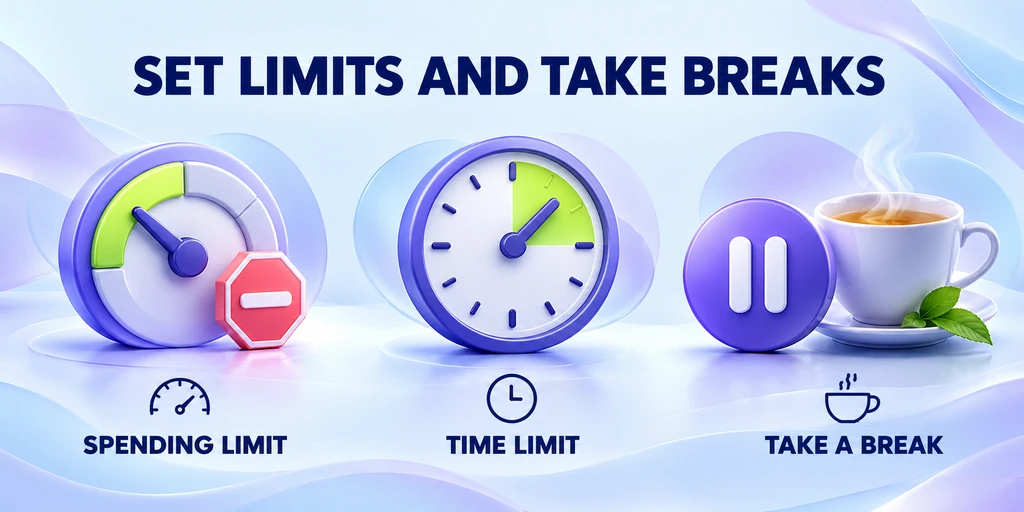
Decide in advance how much money you can afford to lose without affecting essential expenses. Treat that amount as a strict limit, not a target to spend. Do not use money set aside for rent, mortgage payments, bills, food, travel, childcare, debt repayments or savings commitments.
Set a time limit before a session begins. Take regular breaks and stop when the time is up. Avoid gambling when you are upset, stressed, tired or under the influence of alcohol or other substances, as these circumstances can affect judgement.
A boundary should be practical enough to recognise before and during an activity. Decide what money, if any, is genuinely affordable to lose and keep essential expenses outside that decision. The same care applies to time: an intended finish should not move automatically because a session feels unfinished. If participation no longer fits the boundary chosen, stopping is a complete decision rather than a failure to finish something owed.
For example, a person reaches the time they planned to stop while a promotion is still unfinished. The useful next step is to keep the original stopping decision separate from the optional promotional activity. Keep the intended finish time, money already spent and original personal boundary so that the sequence can be explained without relying on memory. This establishes what happened in that particular situation; it does not establish an obligation to continue simply because a promotional feature remains available. A clear answer to the original question is more useful than taking another action simply to see whether the screen changes.
Why Should You Never Chase Losses?
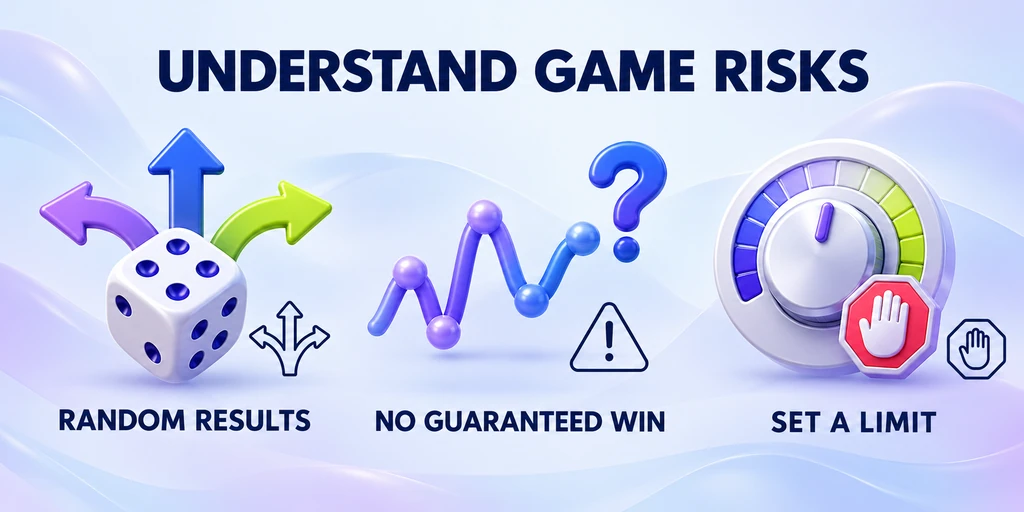
Chasing losses means continuing to gamble or increasing stakes in an attempt to recover money already lost. This can lead to larger losses and make it harder to stop. Previous results do not make a future win more likely. No betting system, game strategy or bonus can guarantee that losses will be recovered.
If you reach your spending limit, stop. Do not borrow money, use credit to continue gambling or make another deposit because you feel you are close to a win. Accepting a loss can be difficult, but risking more money can make the situation worse.
A previous loss does not create a requirement to recover it through another wager. Increasing a stake changes the amount at risk without establishing a favourable future result. Notice when the reason for continuing shifts from an original entertainment choice to an urgent wish to undo what already happened. That change in motivation is a reason to step away rather than to search for a more convincing recovery story.
A practical case is one where a person begins considering a larger stake mainly to restore an earlier balance. In that situation, separate the loss already recorded from any new decision about money at risk. The most helpful record would contain the original boundary, amount already lost and reason for wanting to continue Keep the observed facts separate from any explanation that has not yet been confirmed. In particular, do not assume a result becoming owed or more likely because a previous outcome was disappointing. Once the distinction is clear, it becomes easier to ask a focused question and decide whether any further action is necessary.
What Warning Signs Should You Look For?
Gambling may be becoming harmful if you spend more time or money than planned, hide gambling from people close to you, borrow money to continue or feel anxious when you cannot gamble. Other warning signs include neglecting work or family responsibilities, repeatedly trying to win back losses, missing payments or feeling unable to stop.
You may also notice that gambling is affecting sleep, concentration, relationships or mental health. You do not need to wait until every warning sign appears before taking action. If gambling is causing concern, stop and speak to someone you trust or seek professional support.
Consider the practical effect of gambling on money, time and everyday responsibilities rather than judging it only by a final balance. Repeated changes to personal boundaries, concealment or continuing despite discomfort deserve attention. A short period that appears financially neutral can still involve activity that conflicts with your plans. Recognising a concern does not require waiting until the situation becomes more serious or finding a particular label for it.
Consider a situation in which a person ends near their starting balance but repeatedly stays much longer than intended. It helps to compare the actual pattern with the original time and spending decisions rather than the balance alone. Retain the planned boundaries and the occasions on which they changed rather than trying to reconstruct every detail afterwards. The purpose of that record is to make the particular issue understandable, without turning an unanswered question into a confident conclusion. It would be a mistake to infer a harmless pattern merely because a particular session did not end with an obvious financial loss. If the essential point remains unresolved, pause instead of adding another uncertain step to the same sequence.
Which Tools Can Help You Take A Break?
Depending on the gambling service, account tools may include deposit limits, loss limits, time limits, reality checks, time-outs and self-exclusion. Availability and the way these tools work can vary. Check the specific service's safer gambling section to understand how to activate a tool and when a change takes effect.
A time-out can temporarily restrict access to an account. Self-exclusion is a more formal step for people who want to stop gambling with a particular service or across participating services. If you choose self-exclusion, read the duration and account-closure rules carefully. Deleting an app or closing a browser is not the same as self-exclusion.
Different boundaries and access tools may serve different purposes. Read the actual description of a feature rather than assuming that its name explains its scope. A short pause, a time restriction and a broader exclusion arrangement should not be treated as identical. Identify what you want the boundary to achieve and seek appropriate support if choosing or maintaining it feels difficult. No tool description requires you to continue gambling while deciding.
To put this into context, a person wants a clear break but is unsure which available account control matches that intention. Before deciding what to do next, read the stated scope and ask a verified support route to clarify any uncertainty before relying on it. A brief note covering the desired boundary, feature wording and confirmation of the action selected can keep the relevant details together. That note should describe the issue rather than contain passwords, live codes or unnecessary personal documents. It should not be treated as evidence of identical scope or effect across features that use different descriptions or operate through different services. The explanation should remain tied to the action and circumstances actually being discussed.
What Is GAMSTOP?
GAMSTOP is a free online self-exclusion scheme for people in Great Britain who want to block access to participating online gambling services. Registration can cover participating websites and apps for the period selected. Keep your personal details accurate so that the scheme can match them correctly. GAMSTOP does not replace other support, and you may also wish to use blocking software and seek help.
What Support Is Available In The UK?
If gambling is affecting you or someone close to you, support is available. In England and Scotland, the National Gambling Helpline can be reached on 0808 8020 133. In Wales, the helpline is 0808 2819 265. The helplines are free and available 24 hours a day, seven days a week.
You can also seek help from GamCare and NHS services. If you are in immediate danger or need urgent medical assistance, contact emergency services. Speaking to a trusted friend, family member or health professional can also be a useful first step.
How Can Friends And Family Help?
If you are worried about someone else's gambling, approach the conversation calmly and without judgement. Explain what you have noticed and offer to help them find support. Avoid lending money to cover gambling losses or helping them access additional funds. Protect your own financial security and seek advice for yourself as well.
A supportive conversation can focus on specific concerns without turning into an argument about a person's character. Describe what you have noticed and listen to what the person says they need. Keep your own financial and personal boundaries clear as well. Helping does not require lending money to continue gambling, taking control of private credentials or promising that one conversation will resolve every difficulty.
One everyday example is that someone close to you is worried about gambling but is unsure how to begin a conversation. A careful response would be to choose a calm moment and describe the practical concern without demanding account passwords or immediate explanations. Useful evidence includes the observed concern, support requested and personal boundaries you need to maintain This approach separates an observation from a possible cause and avoids making the situation harder to explain through repeated attempts. There is no basis here for assuming a duty to finance further gambling or take over another person's account to be supportive. Clarify the unresolved point first, and keep the decision about any later action separate from the task of understanding the existing record.
How Can You Make A Boundary Specific Enough To Follow?
A useful boundary describes something you can recognise, such as a maximum amount of money leaving your accounts during a defined period or a clear time to stop. A vague intention to be careful is harder to apply during a session. Choose the boundary before opening a game and take account of essential spending, savings commitments and responsibilities to other people.
Do not treat the boundary as a target you ought to reach. Spending less or deciding not to gamble is always an option. If several websites or payment methods are involved, consider the combined picture rather than giving each one a separate allowance that obscures the total. When you find yourself repeatedly changing the boundary to justify another session, that is a reason to pause and seek additional support.
- Choose a defined period and a clearly measurable money or time boundary.
- Treat the limit as a maximum rather than a spending target.
- Include activity across different accounts when considering the overall picture.
A statement such as wanting to spend less can be harder to apply than a boundary connected to a clear action or period. Think about what will tell you that it is time to stop and what you will do next. Keep that decision separate from promotional deadlines or changes in a displayed balance. A practical boundary is intended to protect your circumstances, not to create a more complicated reason to keep participating.
For a concrete illustration, a person repeatedly changes an informal spending intention after each account balance change. Start by taking time to identify a clear stopping point independently of the latest result or promotional prompt. Write down the chosen period, intended boundary and action planned when it is reached using non-secret information wherever possible. The detail matters because similar-looking screens can describe different events or stages. This example does not confirm a fresh allowance becoming available merely because a new session or payment screen opens. Its purpose is to show how a specific question can be narrowed down, leaving less room for guesswork or an unnecessary repetition of the original action.
What Can A Spending Record Reveal That A Balance Cannot?
A current balance is only a snapshot. It does not show every earlier deposit, the time spent gambling or money lost on another account. A simple record of actual money added and removed can help you see the wider pattern. Include ordinary losses and unsuccessful sessions rather than recording only a notable win or the latest account total.
The purpose of the record is to understand behaviour, not to design a system for recovering losses. If the figures are uncomfortable, do not alter the period or omit transactions to make them look better. Consider whether gambling is affecting bills, sleep, concentration or relationships as well as money. Difficulty keeping an honest record can itself be a reason to involve somebody you trust.
- Record actual deposits and withdrawals rather than only the displayed balance.
- Include time and effects on daily life alongside the money figures.
- Do not use a loss record as a plan for a larger recovery bet.
A balance is a snapshot, while a record can show the sequence of money and time committed across a period. Several small transactions may have a substantial combined effect even when each one felt minor. Use a record to understand your activity, not as a prediction system. If the pattern is uncomfortable or repeatedly differs from your intentions, consider stepping back and seeking suitable support rather than trying to improve the record through further play.
An example worth distinguishing is one in which several small payments have been considered individually without checking their combined amount. The appropriate check is to compare the total activity over the chosen period with the boundary originally intended. Preserve the payment dates, amounts and planned stopping point and identify which part is known and which part still needs an answer. Avoid extending the conclusion beyond that evidence: it does not demonstrate a clear picture of overall spending from the latest account balance alone. Keeping the issue narrow makes any explanation easier to assess and prevents unrelated account, payment or personal decisions from becoming mixed into the same question.
How Can You Respond To An Urge To Chase A Loss?
Chasing can begin with the thought that one more round will return a session to where it started. That thought does not change the next game's rules or the possibility of further loss. Interrupt the sequence by stepping away from the account rather than adjusting the stake or finding another payment method. A pause creates space to make a decision outside the immediate pressure of the session.
Choose a specific alternative action that takes you away from the gambling screen, such as contacting a trusted person, going for a walk or starting a planned non-gambling activity. If the urge keeps returning, consider account restrictions, payment controls or specialist support. Avoid borrowing, selling essential possessions or using money committed to household needs. Recovering wellbeing is more important than reaching an earlier account balance.
- Leave the gambling screen when the aim becomes recovering a previous loss.
- Contact a trusted person if the urge is difficult to interrupt alone.
- Keep essential household money and borrowed funds out of gambling decisions.
What Is Different About A Break And Self-Exclusion?
A short break and a formal self-exclusion can serve different needs. A pause may help interrupt an immediate session, while self-exclusion is a stronger step intended to restrict gambling access. Read what a particular control covers, how it starts and what happens afterwards. Do not assume that closing a browser tab creates an account restriction or that one account setting covers every form of gambling.
Choose controls according to the difficulty you are facing rather than looking for the weakest option. If you are struggling to stop, additional layers may be useful, including financial controls and support from another person. Keep your details accurate with any scheme you use and do not try to defeat the restriction with another identity, altered details or a different account. A control works best when it supports a genuine decision to step away.
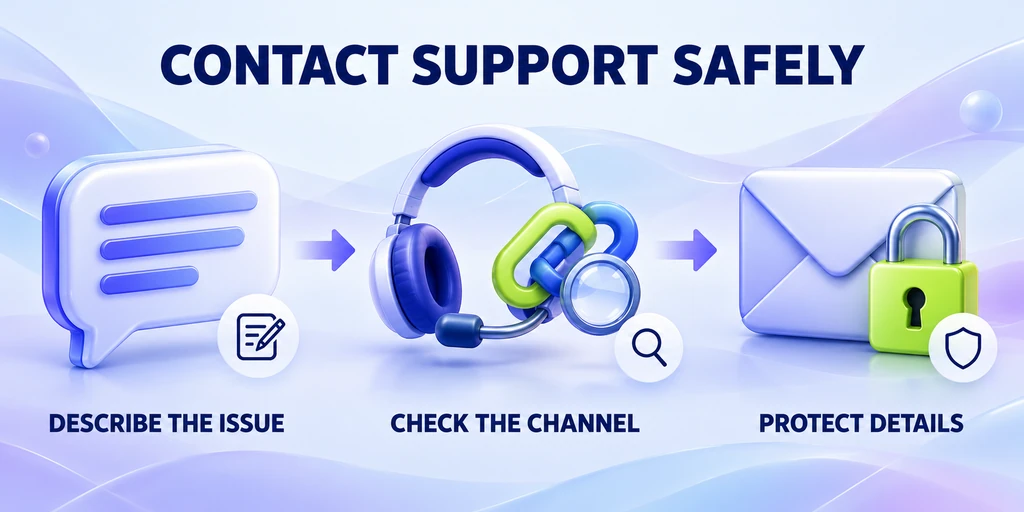
- Read the scope of a control before relying on it.
- Distinguish stopping a session from restricting future account access.
- Avoid creating workarounds that defeat an exclusion or closure decision.
How Can You Prepare For A Conversation About Gambling?
You do not need a perfect explanation before asking for help. A short description of what worries you is enough to begin: spending more than intended, hiding activity, losing sleep or feeling unable to stop. Choose a time and place where you can talk privately, and say whether you want practical help, someone to listen or support in taking the next step.
Bring relevant facts if they help, but avoid turning the conversation into an argument about one isolated transaction. The wider effect on your life matters. A trusted person may help you contact a support service, organise financial records or put account restrictions in place. You can ask for support before the situation reaches a crisis; there is no requirement to lose a particular amount or wait for a particular event.
- Start with the effect gambling is having rather than a perfect explanation.
- Say what kind of help would make the next step easier.
- Choose a private setting and keep the conversation focused on wellbeing.
Preparation can make a difficult conversation more specific. Identify what is concerning you, what support you would find useful and any immediate boundary you want to put in place. You do not need a perfect explanation before speaking to someone appropriate. Avoid treating the conversation as a promise that circumstances will change instantly; it can instead establish a practical next step and clarify where further support may be needed.
A reader might encounter a case where a person wants support but feels they must first explain every past decision perfectly. In practical terms, begin with the present concern and the practical help that would be useful now. Make a simple record of the current difficulty, immediate priorities and next step agreed in the conversation and use that record to describe the uncertainty accurately. The intention is to understand the situation, not to justify additional spending or disclosure. Do not take it to mean a requirement to solve every issue before asking for appropriate support. When the necessary information is unavailable, acknowledging that gap is preferable to proceeding on the basis of an attractive assumption.
What Can Friends Or Family Do Without Taking Over?
Support is often more useful when it is calm, specific and agreed together. Listen to the person's concerns and ask what practical help they want. Helping them organise a list of accounts or accompany them through a support call can be different from taking control of their credentials. Avoid sharing passwords or making promises that another person's losses can be recovered.
Protect your own finances and boundaries as well. Repeatedly lending money to replace losses may leave both people under more pressure. If household bills or shared accounts are affected, seek suitable support for that situation instead of relying on an informal agreement made during a difficult conversation. Friends and family can need help in their own right, even when the person gambling is not ready to seek it.
- Agree practical help instead of assuming control of another person's account.
- Keep your own financial boundaries clear when money is requested.
- Seek support for affected family members as well as the person gambling.
How Can You Reduce Gambling Prompts In Everyday Routines?
Messages, saved shortcuts and familiar routines can bring gambling back to mind after you have decided to stop. Consider which prompts affect you personally and reduce optional exposure where possible. Account marketing choices, device notifications and email subscriptions may need separate changes. Removing a shortcut can help a routine, but it is not a substitute for an account restriction if stronger protection is needed.
Plan alternatives for times when you would usually gamble, especially when tired, bored, stressed or alone. The alternative does not need to be elaborate; a specific activity or contact can make the next hour easier to manage. If a message encourages you to undo an exclusion or return to recover losses, keep the boundary in place and discuss the difficulty with a trusted person or support service.
- Check optional email, text and device-notification settings separately.
- Plan a non-gambling activity for the times you usually find difficult.
- Use stronger account controls when removing reminders is not enough.
Consider which ordinary prompts make it harder to maintain the boundary you want. Notifications, saved shortcuts and promotional messages can create repeated invitations to return. Use normal device and service controls to manage relevant preferences where available. The aim is to make your intended routine easier to follow, not to test your resolve repeatedly or leave a session open as a reminder of something unfinished.
As an illustration, a notification repeatedly draws attention back to an activity the person intended to leave. A useful way forward is to use the normal notification and communication settings to support the boundary already chosen. Keep the prompt type, setting changed and routine the person wants to protect in a form that can be understood later without exposing account secrets. Then distinguish the practical question from any broader expectation about a service or outcome. Nothing in this example establishes an obligation to respond or return merely because a service sends another reminder. This allows the eventual answer to be assessed against the original issue rather than against a changing set of assumptions.
How Can You Keep A Support Plan Useful Over Time?
A support plan is easier to use when it describes concrete actions, people and controls. Write down who you can contact, what to do when an urge appears and which account restrictions are in place. Keep the plan somewhere you can reach without reopening a gambling account. A list of practical steps is more useful than a promise that you will never feel tempted again.
Circumstances can change, so check whether the plan still reflects your current accounts, contact details and financial commitments. If you gamble again after deciding to stop, seek support rather than treating the setback as a reason to abandon the plan. Focus on what protection needs strengthening and what helped previously. Do not judge progress only by a bank balance; sleep, honesty, relationships and daily stability matter too.
- Keep support contacts and immediate next steps available away from gambling screens.
- Check that account restrictions still cover your actual circumstances.
- Treat a setback as a reason to seek help and strengthen protection.
Frequently Asked Questions About Responsible Gambling
1. What Does Responsible Gambling Mean?
It means recognising the risks, setting firm limits and stopping when gambling is no longer affordable or enjoyable.
2. What Is Chasing Losses?
It is continuing to gamble to try to recover previous losses. It can increase financial harm.
3. What Is Self-Exclusion?
It is a formal request to prevent access to a gambling service for a chosen period or under a defined scheme.
4. What Is GAMSTOP?
GAMSTOP is a free scheme that helps people in Great Britain exclude themselves from participating online gambling services.
5. Where Can I Get Help In England Or Scotland?
The National Gambling Helpline is available on 0808 8020 133, free of charge, 24 hours a day.
Our Safer Gambling Message
At Wildies Casino, we encourage adults to put their wellbeing and financial security first. Gambling is never essential, and taking a break or stopping completely is always a valid choice. If gambling is affecting your life, reach out for support rather than facing the situation alone. 18+ only.