
At Wildies Casino, account access should be straightforward while keeping personal information protected. The login process is generally used by registered customers to access their account area, where account details and available services may be managed. The exact sign-in fields and available features depend on the live website and the account system in use. We do not assume credentials, login routes or account functions that have not been confirmed.
Before signing in, make sure you are using the correct website address and a device you trust. Never enter your password after following an unexpected message or unfamiliar link. If you are unsure whether a page is genuine, stop and check the address carefully before providing personal details.
How Do You Sign In To A Wildies Casino Account?
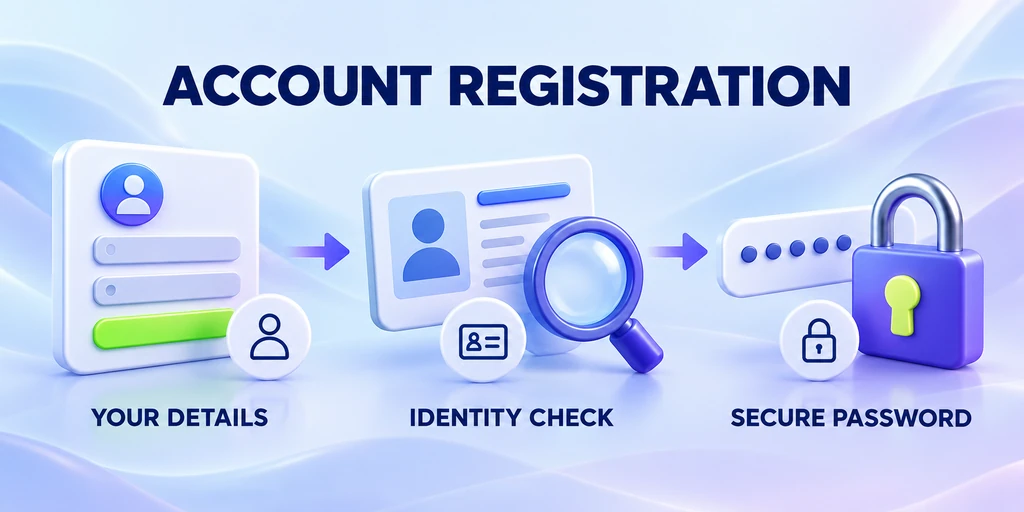
If you already have an eligible account, use the sign-in area displayed on the official Wildies website. Enter the email address, username or other identifier requested by the form, followed by your password. Check the details for typing errors before submitting them. If an additional verification step appears, follow the on-screen instructions and do not share verification codes with anyone.
Treat the first sign-in check as a check of destination and identity. A familiar page design does not prove that the address is genuine. Type credentials only after identifying the service you intended to reach, and distinguish the account email from other contact addresses you use. A careful first attempt is easier to understand than several hurried attempts involving different accounts and saved passwords.
For example, a saved bookmark opens an address that differs from the one expected. The useful next step is to establish the genuine destination independently before entering any account credentials. Keep the bookmark address, expected business identity and non-secret page wording so that the sequence can be explained without relying on memory. This establishes what happened in that particular situation; it does not establish a genuine sign-in form solely because its colours and logo look familiar. A clear answer to the original question is more useful than taking another action simply to see whether the screen changes.
What If You Forget Your Password?
Use the password recovery option displayed on the sign-in page, if available. The process may ask for the email address associated with your account and send instructions to that address. Check your junk folder if the message does not arrive. Choose a new password that is unique and difficult to guess. Do not reuse a password from your email, social media or banking accounts. If you no longer have access to the registered email address, contact support through a verified channel.
Use the genuine recovery process rather than sending credentials to someone who promises a shortcut. A recovery link can itself grant important access, so keep it private and use it only for the intended account. If several requests have been made, read the current instructions carefully instead of assuming that an earlier message remains valid. Recovery should establish access without requiring unnecessary disclosure.
A practical case is one where several password-reset messages arrive after repeated requests. In that situation, identify the current recovery instruction and the exact account to which it relates. The most helpful record would contain the request times, destination email and non-secret status of the recovery attempt Keep the observed facts separate from any explanation that has not yet been confirmed. In particular, do not assume a need to share a reset link or live code with an unexpected helper. Once the distinction is clear, it becomes easier to ask a focused question and decide whether any further action is necessary.
Why Might Login Not Work?
A sign-in attempt may fail because of an incorrect email address or password, a typing error, a temporary connection issue, browser settings or an account security check. Check that Caps Lock is not enabled and that there are no unwanted spaces. If you use a password manager, confirm that it has filled the correct credentials. An account may also be restricted or require further verification. Contact support rather than trying to bypass a restriction.
An error message can refer to credentials, a session, a technical fault or an account condition. These should not be treated as interchangeable explanations. Record the precise wording before changing settings, and avoid repeated guesses when the cause is uncertain. A clear account-access question identifies what was attempted and what the screen said, without including the secret information entered into the form.
Consider a situation in which a login form reports a general error without explaining its cause. It helps to record the message and distinguish a technical display issue from an account-specific restriction. Retain the error wording, attempt time and browser information rather than trying to reconstruct every detail afterwards. The purpose of that record is to make the particular issue understandable, without turning an unanswered question into a confident conclusion. It would be a mistake to infer a particular account decision from an error message that gives no such reason. If the essential point remains unresolved, pause instead of adding another uncertain step to the same sequence.
How Can You Keep Your Account Secure?
Use a strong, unique password and keep it private. Do not share login details or one-time codes with friends, family members or anyone claiming to provide support. Avoid saving passwords on shared devices, and sign out when you finish using an account on a device other people can access. Be cautious of messages that ask you to confirm credentials urgently or promise a reward in exchange for account details.
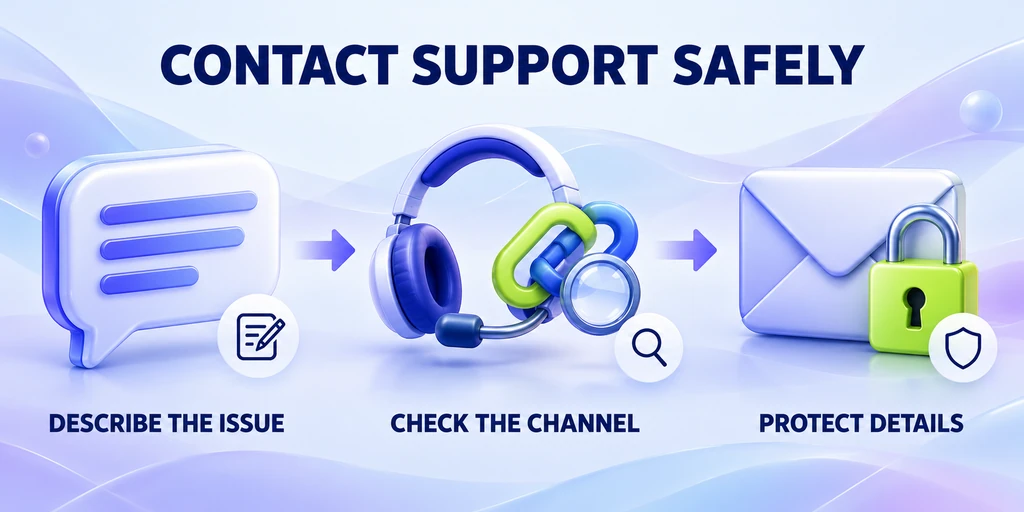
A unique password is only one part of protecting an account. The associated email, recovery options and device access also matter. If additional sign-in protection is offered by a genuine service, understand how its recovery process works before relying on it. No protection makes it sensible to disclose a live verification code in response to an unexpected call or message.
To put this into context, a message claims that a support agent needs a sign-in code to keep the account safe. Before deciding what to do next, reach the genuine support route independently rather than replying with the requested code. A brief note covering the message time, sender details and non-secret wording of the request can keep the relevant details together. That note should describe the issue rather than contain passwords, live codes or unnecessary personal documents. It should not be treated as evidence of a legitimate need for an unexpected caller to receive your live account-access code. The explanation should remain tied to the action and circumstances actually being discussed.
Can You Log In On A Mobile Phone?
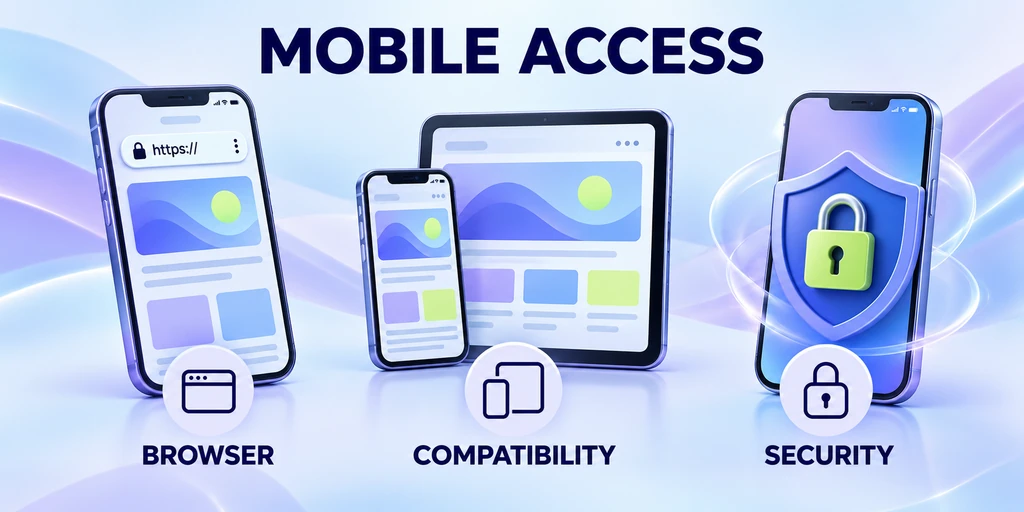
If the website supports mobile browsers, you may be able to access the sign-in page from a compatible smartphone or tablet. Use an up-to-date browser and a secure connection. The layout may differ from desktop, but check the web address before entering account details. Do not install an application from an unverified source.
Mobile sign-in requires the same care with the destination as desktop access. Smaller screens can make an address or account name less obvious, so check them deliberately. Saved sessions may also make it easy to overlook which account is active. Close sensitive screens when sharing a device and distinguish a page being closed from an account being properly signed out.
One everyday example is that a mobile browser opens an existing session belonging to a different account. A careful response would be to check the account identity before changing settings or entering any payment information. Useful evidence includes the account identifier displayed and the access route used This approach separates an observation from a possible cause and avoids making the situation harder to explain through repeated attempts. There is no basis here for assuming the correct account being active merely because the sign-in screen was skipped. Clarify the unresolved point first, and keep the decision about any later action separate from the task of understanding the existing record.
What Should You Check Before Your First Sign-In?
Before opening a sign-in page, decide which account you actually intend to access. A browser can hold bookmarks, saved credentials and old tabs for several similarly named websites. Type the address carefully or use a bookmark you created from a confirmed destination. Check the whole hostname instead of relying on a logo, colour scheme or a familiar page title. A convincing copy can still collect details through a different address.
Next, check your device rather than immediately entering credentials. Close screen-sharing sessions, confirm that nobody else controls the computer, and avoid a browser profile shared with other people. A secure connection is useful, but the padlock alone does not establish that a business is genuine. If the page behaves unexpectedly, stop and find the appropriate help route before attempting another sign-in.
- Use the intended account email rather than guessing between several addresses.
- Check the destination before allowing a password manager to fill credentials.
- Avoid signing in while another person can see or control your screen.
For general account-security guidance, see the National Cyber Security Centre explanation of two-step verification. Availability and setup depend on the particular service.
How Can Saved Passwords Cause Account Confusion?
A password manager can make account access easier, but saved entries need to match the correct address and account. An old password may remain after a reset, while another entry may belong to a different email address. Look at the saved username and destination before selecting an entry. Do not repeatedly submit every stored password, because this makes it harder to identify what changed and may trigger additional account checks.
When access succeeds after a genuine password change, update the appropriate saved entry and remove obsolete duplicates from your own password manager. Keep the email account used for recovery protected as well. Anyone who can read recovery messages may be able to interfere with account access. Password storage is a convenience, not a reason to leave a shared device unlocked or to send credentials in a support message.
- Match the saved entry to the full website address and account email.
- Change an outdated entry only after confirming the new password works.
- Keep recovery email access separate from messages sent to customer support.
Saved credentials can reduce typing without determining which account you intend to use. A browser may associate several addresses with similar destinations or retain an older password. Read the selected account identifier before submitting. Repeatedly changing credentials in response to an autofill mismatch can create more confusion than checking the saved entry and the actual account separately.
For a concrete illustration, a browser repeatedly fills an older email address into the sign-in form. Start by taking time to confirm the intended account and check the saved entry through normal browser controls. Write down the selected account identifier and whether autofill changed it using non-secret information wherever possible. The detail matters because similar-looking screens can describe different events or stages. This example does not confirm an account failure when the form was actually submitted for another saved identity. Its purpose is to show how a specific question can be narrowed down, leaving less room for guesswork or an unnecessary repetition of the original action.
What If A Password Reset Email Does Not Arrive?
Start by checking whether you requested the reset for the email address associated with the account. A spelling mistake or an old mailbox can explain why nothing appears. Check spam folders and any rules that move messages automatically. Avoid requesting many resets in quick succession: several emails may arrive later, and it can become unclear which message belongs to the most recent request.
Use a reset message only if you initiated the process and the destination is consistent with the service you intended to access. An unexpected reset message deserves caution, particularly if it asks for payment, identity documents or a code through an unrelated conversation. If the mailbox is no longer accessible, explain that situation through the confirmed help channel. Do not create another account merely to work around the recovery problem.
- Confirm the account email before starting a second password-reset request.
- Keep track of the time you requested the latest recovery message.
- Never forward a live reset link or recovery code to another person.
A missing message does not automatically establish that recovery failed or that an account does not exist. Check the address used, available message folders and the service's current recovery instructions. Avoid submitting repeated requests rapidly, since delayed messages can then arrive out of order. Use a verified support route if the issue remains unresolved, without sending your mailbox password as evidence.
An example worth distinguishing is one in which a recovery message seems absent and several new requests are tempting. The appropriate check is to check the destination address and message folders before creating another overlapping request. Preserve the request time, email address used and messages that eventually appear and identify which part is known and which part still needs an answer. Avoid extending the conclusion beyond that evidence: it does not demonstrate a need to give someone access to the email account to locate a missing message. Keeping the issue narrow makes any explanation easier to assess and prevents unrelated account, payment or personal decisions from becoming mixed into the same question.
How Should You Handle Repeated Failed Sign-Ins?
Repeated failures do not always mean the password is wrong. A session may have expired, a browser extension may interrupt the page, or an account restriction may require help. Note the exact message and the time it appeared. A screenshot can be useful if it excludes passwords, reset links and private account details. Stop guessing when the page reports a lock or other restriction.
Troubleshoot one change at a time so that the result is understandable. For example, check the email spelling before trying a fresh browser session. If clearing browser data is appropriate, remember that it may sign you out of other services and remove stored preferences. A support request should explain which checks you have already completed. It should not ask anyone to disable account safeguards or bypass a restriction.
- Record the error wording without copying secret or sensitive fields.
- Avoid repeated attempts once the page reports an account-access restriction.
- Explain the last successful access and the first failed attempt clearly.
Repeated attempts can make a simple mistake harder to diagnose, especially when different credentials or devices are involved. Stop and organise what you know before making further changes. Note whether the same error occurred on each attempt and whether the account identifier stayed the same. Do not create another account as a way around an uncertain access problem.
A reader might encounter a case where several attempts produce different messages after credentials have been changed repeatedly. In practical terms, reconstruct the sequence using non-secret details and identify the first unresolved step. Make a simple record of the account identifier, attempt order and message shown at each stage and use that record to describe the uncertainty accurately. The intention is to understand the situation, not to justify additional spending or disclosure. Do not take it to mean an advantage from continuing to guess without understanding the earlier results. When the necessary information is unavailable, acknowledging that gap is preferable to proceeding on the basis of an attractive assumption.
Why Does Protecting Your Email Matter For Login Security?
An account password is only one part of account access. Recovery messages, security alerts and account-change confirmations may be sent to your email address. If that mailbox is exposed, changing a casino password alone may leave the recovery route vulnerable. Use a distinct password for email, keep recovery details current, and use additional sign-in protection where the email service supports it.
Check unexpected mailbox rules or forwarding settings if you suspect somebody else has gained access. A missing message can be caused by an ordinary spam filter, but unexplained forwarding deserves attention. Start from the email service's own security settings and confirmed help pages. Do not share your mailbox password with a person offering to fix a casino login. Support staff do not need to read your entire inbox to understand an access issue.
- Use a different password for your mailbox and your gambling account.
- Check recovery contact details after changing a phone number or email address.
- Treat unexpected forwarding rules as a reason to investigate mailbox security.
What Changes When You Replace A Phone Or Computer?
A replacement device can interrupt saved sign-ins, password storage and access to authentication codes. Before disposing of an old device, make sure that important recovery routes remain available on a device you control. Follow the relevant service's transfer instructions rather than copying secret codes into an ordinary note or sending screenshots to yourself through a shared chat.
If the old device is lost, separate the problems: protecting the device, protecting the email account, and restoring the casino account may require different steps. Do not disable a spending restriction or reopen a closed account merely to test a new device. When contacting support, state that the device changed and describe the access problem. Avoid including a complete device backup, private photo library or unrelated financial records as evidence.
- Confirm access to your recovery mailbox before wiping your previous device.
- Use the documented transfer method for any authentication app you rely on.
- Explain device changes without sending secret recovery material to support.
How Can You Check An Unexpected Account Alert?
An alert about a new sign-in, password change or account update should be checked through a route you already trust. Open the service directly instead of following an unexpected message. If the account shows security settings or recent activity, compare the alert with what you actually did. A familiar device name is useful context, but it should not replace checking the time and the action described.
If the activity is unfamiliar, protect the associated email account and follow the available account-security process. Keep a short record of what you noticed and when. Do not reply to the alert with your password or a one-time code. A message that pressures you to act immediately can make careful checking harder, so pause long enough to confirm the destination and the type of action being requested.
- Open the website directly to check an unexpected security message.
- Compare the reported action with your own recent account activity.
- Share the alert's wording with support only after removing private links.
When Can Additional Sign-In Protection Help?
Where a service supports an additional verification step, it can make account access harder for someone who knows the password alone. Check the actual options available rather than assuming that every account offers the same feature. Protect the recovery route as carefully as the password, and keep any backup material in a secure location you control.
Never give a live code to a person who contacts you unexpectedly. If an account does not offer additional protection, a distinct password and a well-protected recovery mailbox remain useful precautions. Follow the relevant service's own setup instructions and confirm recovery access before changing devices.
Frequently Asked Questions About Wildies Casino Login
1. Where Do I Log In To Wildies Casino?
Use the sign-in area displayed on the official Wildies website and check the address before entering credentials.
2. What If I Forget My Password?
Use the password recovery option if available and follow the instructions sent to your registered email address.
3. Why Is My Login Not Working?
Check your credentials, internet connection and browser. An account security check or restriction may also prevent access.
4. Can I Log In On My Phone?
Mobile access depends on website compatibility. Use an updated browser and a secure connection.
5. Should I Share A Verification Code?
No. Keep passwords and one-time verification codes private.
Wildies Casino Login: Protect Your Details
At Wildies Casino, account security should remain a priority whenever you sign in. Use accurate credentials, keep passwords private and pay attention to verification requests. Gambling is for adults aged 18 and over and should never interfere with essential spending or personal wellbeing.