
At Wildies Casino, we take privacy seriously. This Privacy Policy explains how personal information may be collected, used, stored and shared when you visit our website, contact us or use its features. It also explains the choices and rights that may be available to you under applicable data protection law.
This policy is intended for visitors in the United Kingdom and is written with the UK General Data Protection Regulation and the Data Protection Act 2018 in mind, where applicable. The exact legal obligations depend on the organisation responsible for the website and the way personal information is processed.
Important Details To Complete Before Publication
The legal name and contact details of the organisation responsible for this website have not been supplied. Before publishing this policy, replace the following fields with verified details: [Legal Entity Name], [Registered Address], [Privacy Contact Email] and, if applicable, [Data Protection Officer Contact]. Do not publish this policy with placeholders still in place. The organisation must confirm that the descriptions below accurately reflect its actual data practices.
A privacy explanation should correspond to the organisation and processes that actually exist. A template can organise questions but cannot supply missing facts about who is responsible, what systems are used or where enquiries should go. Keep unresolved details visible during preparation rather than replacing them with invented identities or convenient assumptions. The final wording should describe verified practices instead of every possible activity a website might carry out.
For example, a draft lists several possible data uses without confirming which ones apply to the website. The useful next step is to identify the actual processes and responsible organisation before treating those examples as final statements. Keep the process descriptions, outstanding factual questions and confirmed contact route so that the sequence can be explained without relying on memory. This establishes what happened in that particular situation; it does not establish a verified data-handling practice from its appearance in a general policy template. A clear answer to the original question is more useful than taking another action simply to see whether the screen changes.
Who Is Responsible For Your Personal Information?
The organisation responsible for deciding why and how personal information is processed is usually called the data controller. For this website, the controller should be identified as [Legal Entity Name], with its contact address at [Registered Address]. Privacy questions and requests can be sent to [Privacy Contact Email].
If a different legal entity controls the website or particular processing activities, this section must be updated to identify the correct organisation. A brand name alone may not be enough to identify the legal controller.
A brand label and the identity of the organisation responsible for information are different details. Readers should be able to understand which organisation answers their question about a particular process. If more than one service is involved, identify which activity the question concerns before sending information. Do not assume that two screens displaying similar branding share the same responsibility for every account, contact message or financial record.
A practical case is one where a person has a question about information supplied through a destination account rather than this guide. In that situation, identify the organisation responsible for that particular account process and its verified privacy contact. The most helpful record would contain the process concerned, destination address and non-secret description of the information involved Keep the observed facts separate from any explanation that has not yet been confirmed. In particular, do not assume identical responsibility for personal information across services that use similar branding. Once the distinction is clear, it becomes easier to ask a focused question and decide whether any further action is necessary.
What Personal Information May We Collect?
The information collected depends on how you use the website and which features you choose to access. It may include:
- Contact details, such as your name and email address, if you send us a message.
- Message details and information you choose to include when asking a question.
- Technical information, such as IP address, browser type, device type, operating system, language settings and approximate location derived from an IP address.
- Usage information, such as pages visited, time spent on pages, referring pages and interactions with website features.
- Cookie and similar technology information, where these technologies are used and permitted.
- Security and diagnostic information, such as error reports and records used to protect the website.
Please do not send sensitive personal information, payment card details, account passwords or one-time security codes through general contact forms.
Different pieces of information can have different purposes and levels of sensitivity. A contact address used to answer a message is not the same as an identity document or a financial record. Identify which process a description concerns and avoid assuming that every category mentioned is collected in every interaction. A useful question is what information was actually requested or supplied during the specific activity being discussed.
Consider a situation in which a person wants to understand why a general enquiry requested a particular contact field. It helps to connect the field to the stated purpose of that enquiry rather than unrelated account processes. Retain the field name, activity concerned and explanation provided at the time rather than trying to reconstruct every detail afterwards. The purpose of that record is to make the particular issue understandable, without turning an unanswered question into a confident conclusion. It would be a mistake to infer the collection of every category listed in a policy during a single general interaction. If the essential point remains unresolved, pause instead of adding another uncertain step to the same sequence.
Do We Collect Gambling Account Or Payment Information?
This website's content pages do not, by themselves, establish that Wildies operates a real-money gambling account, cashier or payment service. Unless a verified service and its data practices are confirmed, we do not claim to collect gambling account balances, deposits, withdrawals, identity documents or payment card details through this website.
If a separate account or gambling service is made available, it may have a separate privacy notice explaining its collection and use of identity, verification, payment and transaction information. Read the privacy notice shown by that service before providing such information.
A website explaining account processes should be distinguished from a system that actually holds account or payment records. The relevant responsibility depends on where information was entered and which service received it. A general guide cannot answer every question about records held by another destination. Identify the actual interaction before deciding which organisation should explain access, correction, retention or another concern about that information.
To put this into context, a person asks this guide about a document uploaded through another account destination. Before deciding what to do next, identify where the document was submitted and which organisation controls that submission process. A brief note covering the destination address, submission reference and type of process involved can keep the relevant details together. That note should describe the issue rather than contain passwords, live codes or unnecessary personal documents. It should not be treated as evidence of access to a destination's private account records merely because this website explains account concepts. The explanation should remain tied to the action and circumstances actually being discussed.
How Do We Collect Personal Information?
Information may be collected directly when you contact us, submit a form, send an email or otherwise choose to provide details. Some technical and usage information may be collected automatically through server logs, cookies or similar technologies, depending on the website configuration and your consent choices.
We may also receive limited information from service companies that support website hosting, security, analytics or communications, where those services are actually used. The organisation responsible for the website should confirm the companies and data flows before this policy is published.
Collection methods should be described in connection with actual activities. A message sent directly, information entered into a form and technical information associated with a page request are different situations. Do not combine them into an assumption that every interaction produces the same record. When asking about a collection process, identify the channel and the information involved without resending unnecessary personal material through a new route.
One everyday example is that a visitor wants to understand information associated with a message sent earlier. A careful response would be to identify the original communication channel and ask about that specific interaction. Useful evidence includes the message date, genuine recipient and non-secret description of the enquiry This approach separates an observation from a possible cause and avoids making the situation harder to explain through repeated attempts. There is no basis here for assuming the same collection process applying to every page visit, message and account activity. Clarify the unresolved point first, and keep the decision about any later action separate from the task of understanding the existing record.
Why May We Use Personal Information?
Depending on the circumstances and applicable lawful basis, personal information may be used to:
- Respond to questions and messages sent to us.
- Maintain, operate and protect the website.
- Diagnose technical faults and improve website performance.
- Understand how visitors use website pages, where analytics processing is enabled and permitted.
- Detect, investigate and prevent fraud, abuse, security incidents or unlawful activity.
- Maintain records needed to demonstrate compliance with legal obligations.
- Establish, exercise or defend legal claims where necessary.
We will not use personal information for a purpose that is incompatible with the purpose for which it was collected unless the law permits it and any required information is provided.
What Is Our Lawful Basis For Processing?
Under UK data protection law, an organisation must have a lawful basis for processing personal information. Depending on the activity, the relevant basis may include:
- Consent, where you have freely agreed to a specific use, such as certain non-essential cookies or optional communications.
- Legitimate interests, where processing is necessary for a genuine business purpose and does not override your rights and interests.
- Legal obligation, where processing is necessary to comply with a legal requirement.
- Contract, where processing is necessary to take steps at your request or perform a contract with you.
The controller must identify and document the lawful basis that applies to each actual processing activity. These examples do not mean that every basis applies to every use of information.
Cookies And Similar Technologies
Cookies are small files stored on a device by a website. They can support essential website functions, remember certain preferences, help protect the website or provide information about how pages are used. Similar technologies may include pixels, tags and local storage.
Where non-essential cookies or similar technologies require consent, they should not be activated before valid consent is obtained. You should be able to make a meaningful choice and change your preferences where the website provides a consent tool. Strictly necessary technologies may be used where they are required to provide a service or function you have requested.
The actual cookies used by this website must be listed in a cookie notice or consent tool, including their purposes, companies and retention periods where required. Browser settings may also allow you to block or delete cookies, although some website features may not work correctly as a result.
Is Personal Information Transferred Outside The UK?
Some service companies may store or process information in countries outside the United Kingdom. If personal information is transferred internationally, the controller must ensure that an appropriate legal safeguard is in place where required. This may include UK adequacy regulations, the UK International Data Transfer Agreement, the UK Addendum to the EU Standard Contractual Clauses or another lawful transfer mechanism.
The controller should identify the countries and companies involved, explain the safeguards used and tell you how to obtain further information where required. Do not assume that information is stored only in the UK.
How Long Do We Keep Personal Information?
We keep personal information only for as long as it is reasonably necessary for the purpose for which it was collected, including any legal, accounting, security or reporting requirements. Retention periods can vary depending on the type of information and the reason it is held.
When information is no longer required, it should be securely deleted or anonymised where appropriate. The organisation responsible for the website should maintain a retention schedule that reflects its actual systems and legal obligations.
Retention information should describe actual categories and purposes rather than rely on an assumption that all records are kept for the same period. A message history, a technical log and a financial record may involve different questions. Identify which category and process you mean when seeking an explanation. A request about a specific record is easier to understand when its date, channel and practical context are clear.
An example worth distinguishing is one in which a person asks about an old enquiry but the answer describes a different record category. The appropriate check is to clarify the particular interaction and category before comparing the explanations. Preserve the original enquiry date, communication channel and record type being discussed and identify which part is known and which part still needs an answer. Avoid extending the conclusion beyond that evidence: it does not demonstrate a single retention period applying automatically to every kind of information mentioned in a policy. Keeping the issue narrow makes any explanation easier to assess and prevents unrelated account, payment or personal decisions from becoming mixed into the same question.
How Do We Protect Personal Information?
We use appropriate technical and organisational measures intended to protect personal information against unauthorised access, accidental loss, alteration, disclosure or destruction. Measures may include access controls, secure connections, system updates, backups and restricted permissions, depending on the website's actual configuration.
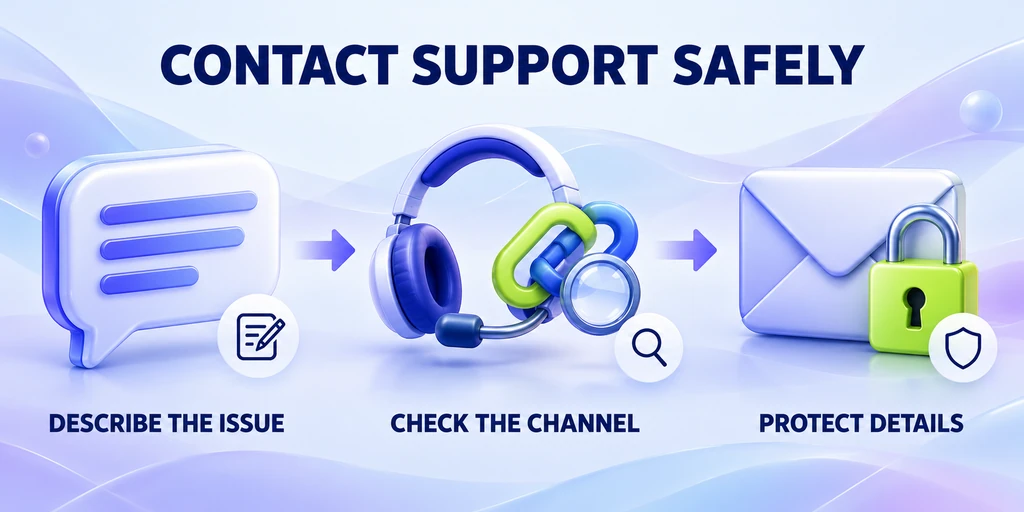
No method of transmission or storage can be guaranteed to be completely secure. You should use a secure device, keep your email account protected and avoid sending sensitive information through unverified channels. If you believe that your information has been exposed, contact us using the confirmed privacy contact details.
What Are Your UK Data Protection Rights?
Depending on the circumstances and applicable law, you may have the right to:
- Request access to personal information held about you.
- Ask for inaccurate or incomplete information to be corrected.
- Request deletion of personal information in certain circumstances.
- Ask for processing to be restricted in certain circumstances.
- Object to processing based on legitimate interests or direct marketing.
- Request a portable copy of certain information you provided.
- Withdraw consent where processing relies on consent. Withdrawal does not make earlier processing unlawful.
- Complain to the Information Commissioner's Office (ICO).
These rights are not absolute in every situation. The controller may need to verify your identity before responding and may explain if a legal exemption applies. We aim to respond within the period required by law.
A general description of rights does not determine the outcome of every individual request. The information involved, the organisation responsible and the actual circumstances all matter. Describe the concern specifically and distinguish the result you want from the evidence needed to identify the relevant records. Avoid sending a large collection of unrelated documents merely because the request concerns personal information or because a general list of rights appears lengthy.
A reader might encounter a case where a person wants an inaccurate contact detail corrected but initially sends a broad unspecific message. In practical terms, identify the inaccurate field and explain the correction sought through a verified route. Make a simple record of the relevant record reference, field concerned and requested correction and use that record to describe the uncertainty accurately. The intention is to understand the situation, not to justify additional spending or disclosure. Do not take it to mean an identical outcome for every request regardless of the information and circumstances involved. When the necessary information is unavailable, acknowledging that gap is preferable to proceeding on the basis of an attractive assumption.
How Can You Make A Privacy Request?
Send your request to [Privacy Contact Email] and explain which right you wish to exercise. Include enough information for us to understand your request, but do not send passwords, full payment card details or unnecessary sensitive information. We may ask for additional details to confirm your identity where reasonably necessary.
If you are unhappy with how your request has been handled, you may raise the matter with the Information Commissioner's Office. The ICO provides guidance and a process for raising data protection concerns in the United Kingdom.
Children's Privacy
This website is intended for adults aged 18 and over. We do not knowingly seek to collect personal information from anyone under 18 for gambling-related purposes. If you believe that a child has submitted personal information to us, contact [Privacy Contact Email] so that the matter can be assessed and appropriate action taken.
Other Websites
The website may contain references to other websites or services that are not controlled by Wildies. Their privacy practices and terms may differ from ours. This Privacy Policy does not apply to information collected by those websites. Read their privacy notices before sharing personal information with them.
Changes To This Privacy Policy
We may update this Privacy Policy when our website, data practices or legal requirements change. The latest version will be published on this page with an updated effective date. We encourage visitors to check this page from time to time so they can understand how personal information is handled.
How Can You Contact Us About Privacy?
For questions, requests or concerns about personal information, contact:
Data Controller: [Legal Entity Name]
Postal Address: [Registered Address]
Privacy Email: [Privacy Contact Email]
Data Protection Officer: [Data Protection Officer Contact, if applicable]
These details must be completed and verified by the organisation responsible for the website before this page is published.
How Can You Make A Privacy Request Specific?
A specific request explains the personal details or activity you want addressed. State whether you want a copy of particular records, a correction, an explanation of a use or deletion of data in relevant circumstances. Include enough context to identify the issue without sending a complete collection of unrelated documents. Keep a dated copy of the request and the response.
Different rights can have different conditions and exceptions. Account closure, withdrawal of optional marketing consent and deletion of every record are not necessarily the same outcome. Ask for an explanation of any information retained and the reason given. The current guidance from the UK data regulator can help you understand the right involved, while the actual response must address the circumstances of your request.
- Describe the records or activity involved rather than requesting an unexplained action.
- Keep account closure and a data-deletion request distinct.
- Use the confirmed privacy contact route and avoid including passwords.
For the conditions and exceptions attached to deletion requests, see the ICO guidance on your right to get data deleted. A request should be assessed against the circumstances and applicable requirements rather than an unconditional promise to remove every record.
Specificity helps an organisation understand which records and concern a request addresses. Identify the relevant activity, approximate period and result sought in plain language. Keep the description proportionate to the question, and use the genuine privacy channel once established. A focused initial message can distinguish a request about access or accuracy from an ordinary support question without exposing unnecessary identity documents or account secrets.
As an illustration, a request mentions an account generally but does not identify the information or issue concerned. A useful way forward is to state the relevant process, approximate period and practical outcome being requested. Keep the record context, requested result and verified communication reference in a form that can be understood later without exposing account secrets. Then distinguish the practical question from any broader expectation about a service or outcome. Nothing in this example establishes a need to provide every personal document before the subject of the request is understood. This allows the eventual answer to be assessed against the original issue rather than against a changing set of assumptions.
Why Should Evidence For A Privacy Request Be Limited?
An organisation may need to establish that a request concerns the right person, but verification should remain connected to that purpose. Ask what evidence is required and how to provide it securely. Do not send additional financial records, identity images or private correspondence merely because they are readily available on your device.
Keep a record of what you supplied and remove temporary copies from shared locations when they are no longer needed. If a request for evidence seems unrelated to the issue, ask for a clear explanation before sending more. A privacy query should help clarify the handling of personal details, not become an uncontrolled exchange of increasingly sensitive files.
- Ask which details are needed to establish the requester's identity.
- Use a secure route for any evidence that is genuinely required.
- Keep a dated record of documents supplied and explanations received.
Privacy And Your Choices
At Wildies Casino, we believe visitors should understand what information may be collected and why it may be used. You should have a meaningful choice where consent is required and a clear way to raise a privacy question. Please read this policy alongside the website Terms and Conditions and any cookie notice that applies.
Last Updated: [Insert Publication Date]