
At Wildies Casino, mobile access should be convenient without compromising account security. Some online casino services can be accessed through a mobile-friendly website, while others may provide a dedicated application. We have not assumed that a Wildies Casino app is currently available for download. Check the official website for confirmed information before installing anything on your phone or tablet.
A mobile browser may be sufficient where the website is designed to adapt to smaller screens. The layout, available features and compatibility can depend on the device, operating system and browser version. Do not rely on an application advertised through an unknown website or an unsolicited message.
Can You Use Wildies Casino On A Mobile Phone?
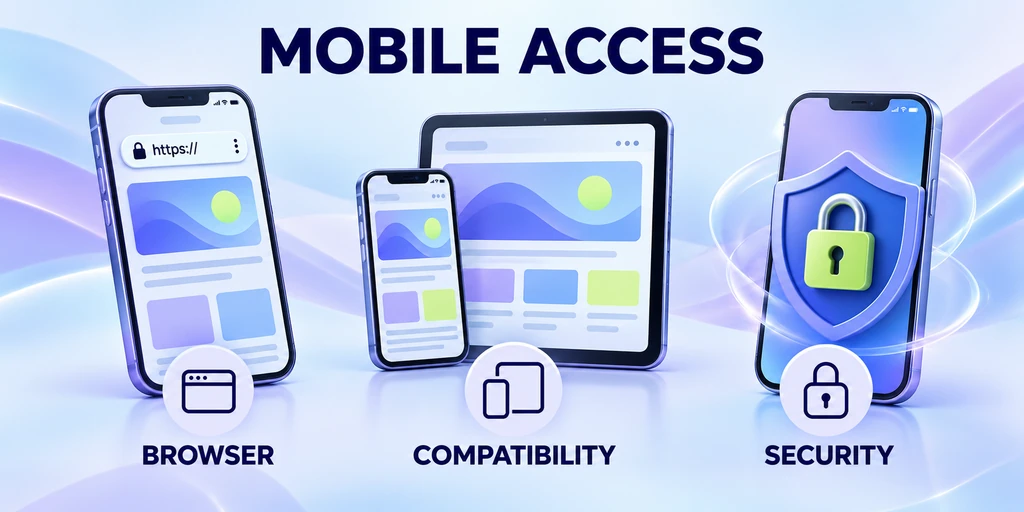
If the website supports mobile browsing, open it through an up-to-date browser on your smartphone or tablet. Check the web address carefully before entering account details. A secure connection, current software and a trusted network help reduce avoidable security risks. Avoid signing in through public or shared devices.
A mobile browser can display information differently without changing the underlying question you need answered. Look for complete conditions, account controls and the final transaction summary rather than relying on a shortened label. A convenient screen should still allow unhurried reading. If the display makes an amount or action unclear, stop and use a clearer view before entering private information or committing money.
For example, a mobile page shortens a payment explanation that was longer on another device. The useful next step is to open the complete explanation and compare the action and version described on both screens. Keep the page address, device type and wording that appears incomplete so that the sequence can be explained without relying on memory. This establishes what happened in that particular situation; it does not establish different payment conditions solely because the mobile layout shows a shorter summary. A clear answer to the original question is more useful than taking another action simply to see whether the screen changes.
Is There A Dedicated Wildies Casino App?
App availability must be confirmed through the official Wildies website or a verified app store listing. Do not assume that an app exists because an unverified download page uses the brand name. Avoid installing files supplied through unknown links, pop-ups or messages. Unverified applications may collect personal information or compromise device security.
An application listing, a browser shortcut and a mobile website are different ways of reaching content. A guide using the word app does not establish that an official application currently exists. The genuine publisher and distribution source must be identifiable before installation. Familiar artwork is not enough to confirm authenticity, and a convenient download button does not replace that identification process.
A practical case is one where a search result offers a download using familiar branding but gives little publisher information. In that situation, identify the actual publisher and genuine distribution source before installing anything. The most helpful record would contain the listing address, publisher name and application description Keep the observed facts separate from any explanation that has not yet been confirmed. In particular, do not assume an official application merely because a download uses a familiar logo. Once the distinction is clear, it becomes easier to ask a focused question and decide whether any further action is necessary.
How Can You Check App Authenticity?
Check the publisher name, app description, permissions and source before installing an application. Be cautious if an app asks for access that is not needed for its stated function. Do not disable device security settings to install an unknown file. If there is no confirmed official listing, use the website only if it is legitimate and available in your location.
Check an application's identity before judging its appearance or advertised convenience. Publisher details, the source of installation and the reason for requested access should form a coherent explanation. If those points cannot be established, do not disable device protections to proceed. A claim that installation must be rushed is not evidence that the source is trustworthy or that the requested permissions are appropriate.
Consider a situation in which an installation message asks for a device protection to be switched off. It helps to stop the installation and confirm the source through a separately verified publisher channel. Retain the source address, publisher details and exact protection-change request rather than trying to reconstruct every detail afterwards. The purpose of that record is to make the particular issue understandable, without turning an unanswered question into a confident conclusion. It would be a mistake to infer a trustworthy installation solely because a message describes the change as necessary. If the essential point remains unresolved, pause instead of adding another uncertain step to the same sequence.
Mobile Browser Or App: What Is The Difference?
A mobile website is accessed through a browser and usually does not require a separate installation. A native app is installed on the device and may have its own update and permission requirements. Neither format guarantees better performance or security. The safer choice is the one confirmed by the genuine service and supported by clear security information.
A browser session and an installed application can store access information differently. Signing out in one place should not be assumed to end every session elsewhere. When comparing them, focus on what each route actually does rather than which label sounds more official. Features such as notifications, saved credentials and local storage should be checked in the relevant device and account settings.
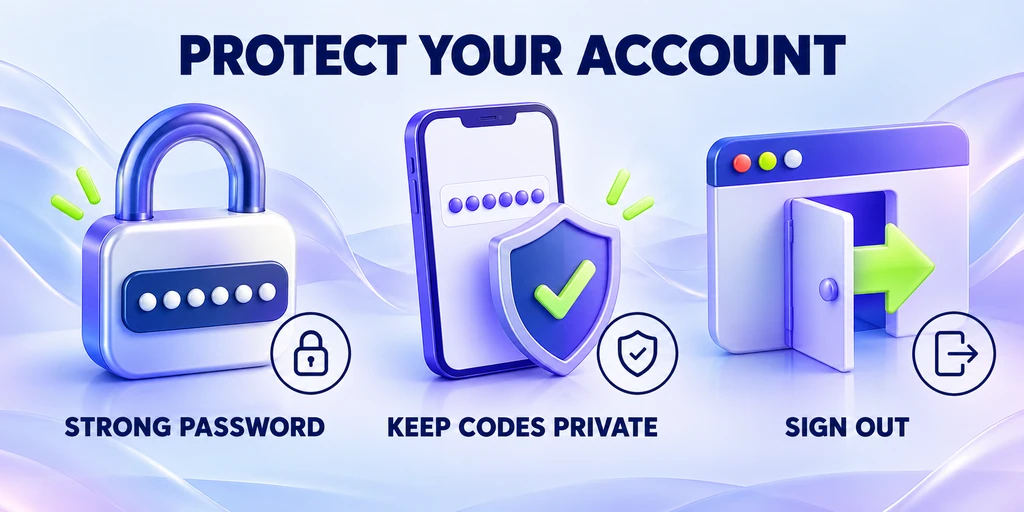
To put this into context, a person closes a browser tab but an installed application remains signed in. Before deciding what to do next, check the session and sign-out controls for each access route being used. A brief note covering the access methods, sign-out actions and account status visible afterwards can keep the relevant details together. That note should describe the issue rather than contain passwords, live codes or unnecessary personal documents. It should not be treated as evidence of the end of every active session from closing a single browser tab. The explanation should remain tied to the action and circumstances actually being discussed.
What If The Mobile Website Does Not Work?
Check your internet connection, update the browser and operating system, and close unnecessary tabs. You can try clearing the browser cache if pages do not load correctly, but understand that this may sign you out of websites. Do not repeatedly enter passwords if the sign-in page behaves unusually. Stop and confirm the web address before trying again.
Describe a mobile fault narrowly before changing several settings. A menu failing to open, text being clipped and a transaction status being unclear are different issues. Record the affected step and use ordinary browser controls where appropriate. Clearing data or starting again may remove useful context, so preserve non-secret details of the problem before attempting changes that could alter the visible session.
One everyday example is that a menu stops responding while other parts of the page remain visible. A careful response would be to record the affected control and check whether the same action behaves differently after a normal reload. Useful evidence includes the browser version, device type and exact step that failed This approach separates an observation from a possible cause and avoids making the situation harder to explain through repeated attempts. There is no basis here for assuming a failed account or payment action from a navigation fault alone. Clarify the unresolved point first, and keep the decision about any later action separate from the task of understanding the existing record.
How Can You Protect Your Mobile Account?
Use a screen lock, keep your operating system updated and protect saved passwords. Avoid public Wi-Fi when accessing sensitive account information. Never share one-time codes or passwords. If your phone is lost, use the device maker's security tools and change important passwords from a trusted device.
Device access and account access should be considered together. An unlocked phone can expose information even when credentials are not deliberately shared. Check what appears on lock-screen notifications and close sensitive pages before handing the device to another person. Additional sign-in protection, where genuinely available, can support security, but it does not remove the need to protect recovery channels and recognise unexpected requests.
For a concrete illustration, a notification displays account information while the phone is being shared. Start by taking time to adjust the normal notification and lock-screen settings to limit unnecessary visibility. Write down the notification type, device setting and account session affected using non-secret information wherever possible. The detail matters because similar-looking screens can describe different events or stages. This example does not confirm privacy merely because the full application is not currently open on the screen. Its purpose is to show how a specific question can be narrowed down, leaving less room for guesswork or an unnecessary repetition of the original action.
How Is A Mobile Website Different From An Installed App?
A mobile website opens through a browser, while an installed app runs as a separate application on the device. Both can present similar pages, but installation, permissions and updates work differently. A shortcut on the home screen may still open a website rather than a separate app. Check what you are actually using before looking for app settings or expecting a particular feature.
Neither format proves that a service is genuine or suitable for you. Start from a confirmed address and read the available description of the mobile experience. If no verified app is listed, do not search for an installation file simply because a page mentions mobile access. Browser access can be a separate option, and there is no need to install software to read the website's guides.
- Distinguish a browser shortcut from a separately installed mobile application.
- Check the destination before saving a website to the home screen.
- Do not install an unknown file merely to access ordinary web content.
What Should You Check Before Granting Mobile Permissions?
A permission request should have a clear connection with the task you are trying to complete. A document-upload feature may ask for access to a selected photo, while notifications serve a different purpose. Read the device prompt rather than accepting it automatically. Broad access to contacts, unrelated files or device administration deserves particular care when the purpose is not explained.
Use the device's settings to see which permissions an installed application currently holds. If a feature can work with a selected file instead of an entire photo library, consider the narrower choice. Refusing an optional permission may affect that feature without preventing ordinary browsing. Do not grant additional access because a message claims that doing so will improve gambling results or release a balance.
- Match each permission to the feature you deliberately chose to use.
- Prefer selected-file access where the device offers that narrower option.
- Check notification choices separately from document and camera permissions.
A permission request should have an understandable connection to the feature you intended to use. Do not assume that a request is necessary simply because it appears during installation or account access. Read its scope and identify whether the feature can be used without it. If the reason is unclear, decline or pause rather than granting broad access in the hope of discovering the purpose afterwards.
An example worth distinguishing is one in which a simple access task produces a request for unrelated device information. The appropriate check is to read the requested scope and look for an explanation tied to the feature being used. Preserve the feature name, permission wording and publisher explanation and identify which part is known and which part still needs an answer. Avoid extending the conclusion beyond that evidence: it does not demonstrate a necessary relationship between every requested permission and the task you selected. Keeping the issue narrow makes any explanation easier to assess and prevents unrelated account, payment or personal decisions from becoming mixed into the same question.
Why Can A Page Work On One Device But Not Another?
Screen size, browser version, available memory and device settings can change how a page behaves. A large image or a busy browser session may make an older phone feel slow even when the same page works on a computer. Start with ordinary checks: update the browser through its normal route, close unnecessary tabs and confirm that the internet connection works for other websites.
Describe the problem precisely before changing settings. A page that loads without images is different from a page that refuses a sign-in, and neither necessarily means that the account is restricted. If the problem happens during a payment or account action, check the recorded status before repeating it. A display issue should not lead to a duplicate deposit or several conflicting account requests.
- Record the browser name, device type and the exact visible problem.
- Change one setting at a time so the result remains understandable.
- Check transaction status before repeating an interrupted payment action.
How Can You Make Mobile Text And Images Easier To Use?
Small screens can make dense terms, payment details and account messages harder to read. Use the browser's normal zoom or text-size controls when needed. Rotating the device may help with a wide table, but important conditions should still be read carefully rather than skipped. If a control is cut off or a label overlaps another element, stop before pressing a button whose meaning is unclear.
Accessibility settings can also affect animation, contrast and text size. A calmer display can make long reading sessions easier without changing the substance of the page. When asking for help with a layout problem, explain the setting or screen size involved and share a carefully cropped screenshot if useful. Remove account numbers, private messages and other personal details before sending the image.
- Use browser zoom to read payment details and conditions clearly.
- Avoid pressing a partly hidden control when its label is unclear.
- Describe accessibility settings when reporting a reproducible layout problem.
What Happens If Your Connection Drops During A Session?
A connection interruption can leave the screen behind the actual account state. Reopening a page may restore access, but it does not by itself explain whether an earlier action was recorded. For payments, withdrawals or account changes, look for a clear confirmation or recorded status before trying again. Keep the time and any non-secret reference available if the result remains uncertain.
For a game interruption, the relevant rules and account history are more useful than guessing from the final animation you saw. Do not assume that a frozen image proves a win, loss or unrecorded wager. Contact the appropriate service with the available game reference and the approximate time. An unreliable connection is also a sensible reason to stop rather than continue a session that you cannot follow accurately.
- Check recorded activity instead of relying only on the last screen.
- Keep timestamps and reference numbers for actions interrupted by a connection drop.
- Avoid repeating uncertain transactions until their current status is clear.
Connection changes can affect what is displayed without establishing what a service recorded. A page returning to an earlier screen does not prove that an earlier action disappeared. Reconnect through the genuine address, then compare the account history with any existing reference. Avoid repeating financial actions while the first status remains uncertain, particularly when moving between mobile data and a wireless connection.
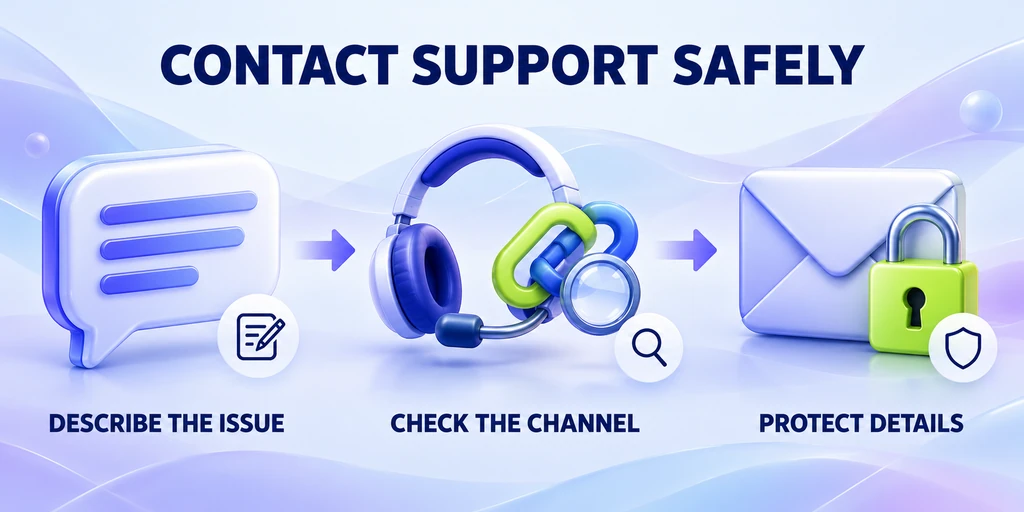
A reader might encounter a case where a connection drops just after a payment or account change was submitted. In practical terms, check the recorded history after reconnecting before repeating the same action. Make a simple record of the original action time, reference and status shown after reconnection and use that record to describe the uncertainty accurately. The intention is to understand the situation, not to justify additional spending or disclosure. Do not take it to mean a cancelled or failed request from the disappearance of a confirmation screen. When the necessary information is unavailable, acknowledging that gap is preferable to proceeding on the basis of an attractive assumption.
What Should You Do Before Selling Or Replacing A Device?
A phone can contain saved passwords, downloads, browser sessions and authentication material. Before passing it to somebody else, follow the device maker's own guidance for transferring your data and removing the old device from your accounts. Confirm that recovery email and any authentication method still work on a device you control before wiping the previous one.
Do not treat deleting a home-screen shortcut as removing every saved credential or document. Check downloads, browser password storage and any installed applications relevant to account access. A lost device requires a different response because you may not be able to remove files directly. Protect the associated email account, use the device's available lost-device controls and contact the relevant service when account access may be affected.
- Transfer recovery access before erasing your old phone or tablet.
- Check downloaded documents and saved credentials as well as installed apps.
- Use the device maker's documented reset process before passing it on.
Replacing a device involves more than removing a visible shortcut. Consider active sessions, saved credentials and recovery access before losing control of the old device. Follow normal account and device procedures rather than guessing which action clears every route. Keep access to your own recovery methods, and do not send passwords or live codes to someone offering to move the account for you.
As an illustration, a person plans to hand over an old phone that has saved account access. A useful way forward is to check account sessions and follow the device's normal removal and reset procedures before handover. Keep the access routes removed and recovery methods retained on the replacement device in a form that can be understood later without exposing account secrets. Then distinguish the practical question from any broader expectation about a service or outcome. Nothing in this example establishes the removal of account access merely from deleting a home-screen shortcut. This allows the eventual answer to be assessed against the original issue rather than against a changing set of assumptions.
How Can You Report A Mobile Problem Clearly?
A useful mobile support message describes what you expected, what happened and the point at which the problem appeared. Include the device model, browser name, approximate time and any visible error wording that does not contain private details. Explain whether the issue happens on every attempt or only under a particular connection or screen orientation.
Keep the first report focused. Sending many screenshots without context can make the important detail harder to identify. If a payment, withdrawal or account request is involved, include its non-secret reference and make clear that you want the status checked before repeating the action. Do not install an unfamiliar remote-control tool or send an entire device backup merely to demonstrate a page-layout problem.
- Explain the shortest sequence that reliably produces the mobile issue.
- Include a cropped screenshot only when it clarifies the problem.
- Ask for status confirmation before retrying an interrupted account action.
Why Should Automatic Updates Be Checked Through The Normal Store?
A message displayed in a browser can claim that an update is essential without being a genuine device update. Use the browser's own settings or the device's normal application store to check what is available. Do not install a file supplied by an unexpected pop-up simply because it uses a familiar icon.
If a page stops working after a genuine update, record the new version and describe the visible change. Avoid downgrading to an unknown copy or disabling device safeguards to restore one feature. A temporary pause in use is preferable to giving an unconfirmed application broad access to your device.
Frequently Asked Questions About Wildies Casino App
1. Is There An Official Wildies Casino App?
App availability has not been confirmed here. Check the official website or a verified app store listing.
2. Can I Use A Mobile Browser?
You may be able to if the website supports your device and browser.
3. Is An APK Download Safe?
Only install an application from a verified, official source. Unknown APK files can put your device and data at risk.
4. Why Does The Website Look Different On Mobile?
Mobile layouts are often adapted for smaller screens and touch controls.
5. What Should I Do If The App Will Not Open?
Check for verified updates and device compatibility. Do not download replacement files from unknown sources.
Wildies Casino App: Check Before Installing
At Wildies Casino, mobile convenience should never come at the cost of personal security. Confirm whether an official app exists before downloading anything, keep your device updated and use only verified access routes. Gambling is for adults aged 18 and over and should remain within affordable limits.