
At Wildies Casino, clear communication matters when you need help with an account or a question about the website. The correct contact route and support hours must be confirmed through the official website. We do not publish an unverified telephone number, email address, postal address or live chat schedule. Use the contact details displayed on the genuine site and check that they are current before sharing personal information.
Which Issues Can You Ask About?
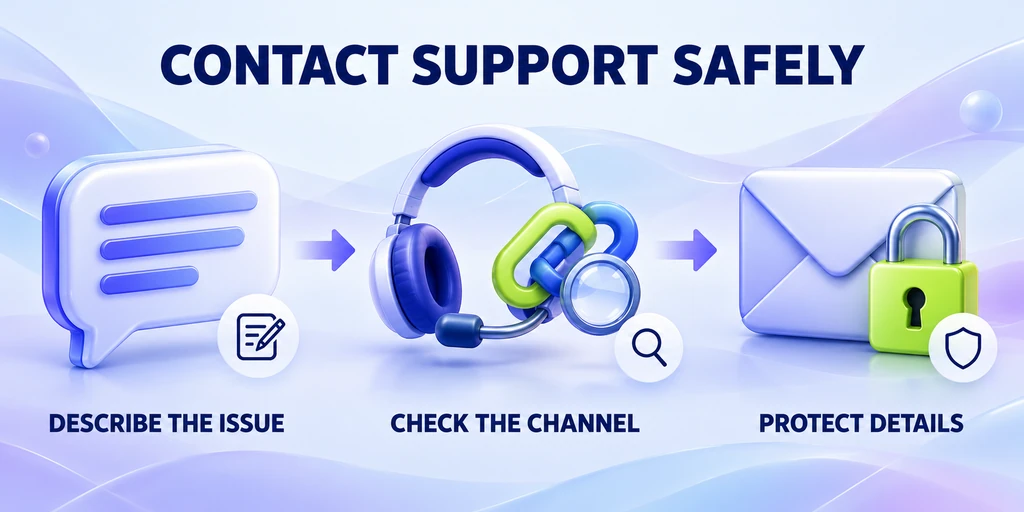
Depending on the services available, customer support may be able to assist with account access, registration questions, identity checks, payment status, withdrawal requests, promotional terms, technical difficulties and account security. Explain the issue clearly and include relevant dates or transaction references where appropriate. Do not include passwords, one-time codes or full payment card details.
Begin with the type of question rather than the amount of information you could send. A correction to website wording, a technical display fault and an account transaction question may require different routes. Identify which service is responsible for the matter before sharing personal details. This website's general explanations do not establish that it can access or change an account held at another destination.
For example, a visitor wants an account balance changed after reading a general payment article. The useful next step is to identify the genuine service holding the account and its verified contact route. Keep the issue category, affected service and non-secret reference so that the sequence can be explained without relying on memory. This establishes what happened in that particular situation; it does not establish account access or administrative authority from the existence of an article about payments. A clear answer to the original question is more useful than taking another action simply to see whether the screen changes.
How Should You Prepare Before Contacting Support?
Before sending a message, identify the issue and gather relevant non-sensitive details. These may include the email address associated with the account, the date of the issue, the type of device and browser used, and a transaction reference if the question concerns a payment. Provide only the information needed to identify the matter. Keep copies of messages and any response you receive.
Prepare a short factual summary before gathering attachments. State what you tried to do, what happened and which point needs clarification. This keeps relevant evidence separate from private information that is not needed. A genuine support question can usually be described without a password, a live code or a complete copy of every personal document associated with the account.
A practical case is one where a person has many screenshots but has not identified the question they want answered. In that situation, write the issue in a few factual sentences before choosing relevant supporting material. The most helpful record would contain the intended action, observed result and precise unresolved question Keep the observed facts separate from any explanation that has not yet been confirmed. In particular, do not assume a need to send every available account document with an initial general message. Once the distinction is clear, it becomes easier to ask a focused question and decide whether any further action is necessary.
What Should You Include In A Support Message?
Use a clear subject line and describe what happened, when it happened and what assistance you need. If an error message appeared, quote its wording. If the issue concerns a payment, include the transaction reference and amount, but never send full card details or banking passwords. A concise message can help the support team understand the issue.
Use enough detail to identify the issue without turning the message into an unnecessary collection of personal information. References and dates are often more useful than guesses about why something happened. Explain what each attachment establishes, and remove unrelated material before sending it through a verified route. Keep the distinction between a visible fault and a recorded account event clear throughout the description.
Consider a situation in which a screenshot includes both an error message and unrelated private account details. It helps to describe the error and limit any attachment to the information genuinely needed for that question. Retain the error wording, affected action and relevant non-secret reference rather than trying to reconstruct every detail afterwards. The purpose of that record is to make the particular issue understandable, without turning an unanswered question into a confident conclusion. It would be a mistake to infer a requirement to disclose unrelated private details merely because they share the same screen. If the essential point remains unresolved, pause instead of adding another uncertain step to the same sequence.
How Can You Identify A Genuine Contact Channel?
Use the contact page or account help area reached from the official website address. Be cautious of social media accounts, search advertisements or messages that claim to represent the brand but ask for passwords, verification codes or extra payments. Do not trust a contact simply because it uses a familiar logo or brand name. If in doubt, stop and confirm the channel through the website address you know to be genuine.
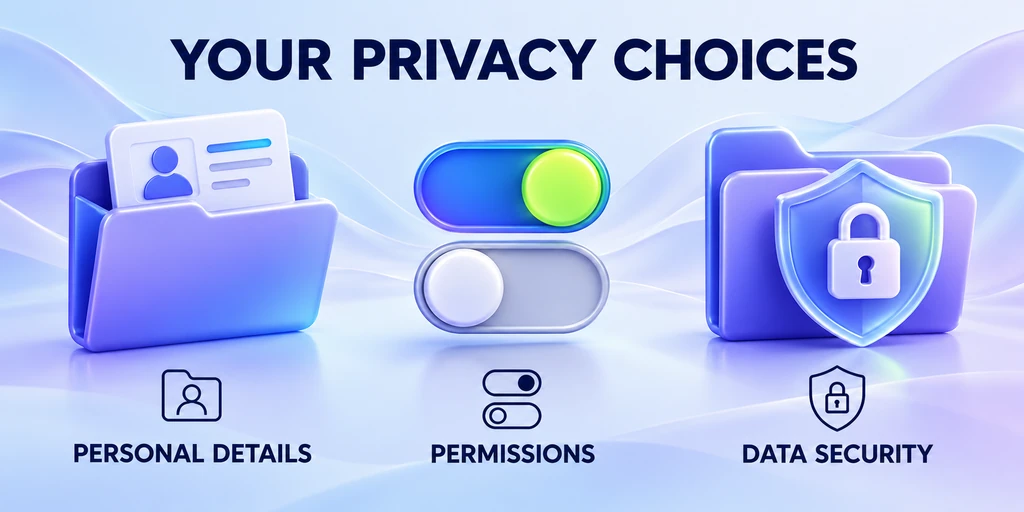
Contact details should be identified independently of an unexpected message asking for action. A familiar logo, a search advertisement or a convincing display name does not establish control of the actual service. Reach the genuine destination through a trusted address and compare the channel described there. If the route cannot be confirmed, pause rather than sending account information to discover who responds.
To put this into context, a message offers help through a new address that is not shown on the genuine service. Before deciding what to do next, confirm the channel independently before continuing the conversation or sending account information. A brief note covering the claimed channel, genuine site address and non-secret message wording can keep the relevant details together. That note should describe the issue rather than contain passwords, live codes or unnecessary personal documents. It should not be treated as evidence of an authorised support relationship from a convincing name or familiar visual branding. The explanation should remain tied to the action and circumstances actually being discussed.
What If Your Issue Is About A Withdrawal?
Check the transaction status and any messages in your account first. Note the date, amount and payment method, along with the reference number if one is available. Ask whether further verification is required and what timeframe applies to that specific method. Do not submit repeated withdrawal requests unless support advises you to do so.
Keep a withdrawal enquiry tied to the original request. Its amount, date, destination type and reference should remain consistent across the message history. State what the account shows and what the destination record shows separately. An uncertain status should lead to a focused question rather than repeated new requests, since overlapping transactions can make the first issue more difficult to identify.
One everyday example is that several messages use different shorthand names for the same pending request. A careful response would be to identify the original reference and use it consistently when describing the unresolved stage. Useful evidence includes the request reference, amount, date and exact status wording This approach separates an observation from a possible cause and avoids making the situation harder to explain through repeated attempts. There is no basis here for assuming a separate transaction simply because different messages use different descriptions. Clarify the unresolved point first, and keep the decision about any later action separate from the task of understanding the existing record.
What If You Have A Security Concern?
If you suspect unauthorised access, change your password from a trusted device if possible and contact support through a verified channel. Do not share one-time codes with anyone. If your payment card or bank account may be compromised, contact your bank using the number or app it provides.
A security concern should be described without sending the very secrets you want to protect. Explain the unexpected event and reach the genuine recovery or support route independently. If a message itself is suspicious, do not let its instructions determine where you seek help. Protect associated accounts as appropriate and distinguish confirmed observations from an unconfirmed explanation of what caused them.
For a concrete illustration, an unexpected caller asks for a code while claiming to investigate account access. Start by taking time to end the uncertain interaction and reach the genuine account route independently. Write down the contact time, claimed identity and non-secret nature of the request using non-secret information wherever possible. The detail matters because similar-looking screens can describe different events or stages. This example does not confirm a legitimate investigation merely because the caller knows a familiar account name. Its purpose is to show how a specific question can be narrowed down, leaving less room for guesswork or an unnecessary repetition of the original action.
How Can You Put A Support Request In A Useful Order?
A clear message begins with the issue and the outcome you need. State whether the question concerns account access, a transaction, a page error or a document request. Then add the relevant date, non-secret reference and exact error wording. Putting these facts near the beginning helps the recipient understand the request without searching through a long history of unrelated events.
Finish by explaining what you have already tried and which point remains unresolved. Avoid changing the requested outcome several times in the same thread. If an earlier message included an error, correct it explicitly rather than sending a new version without explanation. A concise factual request can still include enough detail; the aim is to make the sequence understandable, not to omit the information needed to identify the issue.
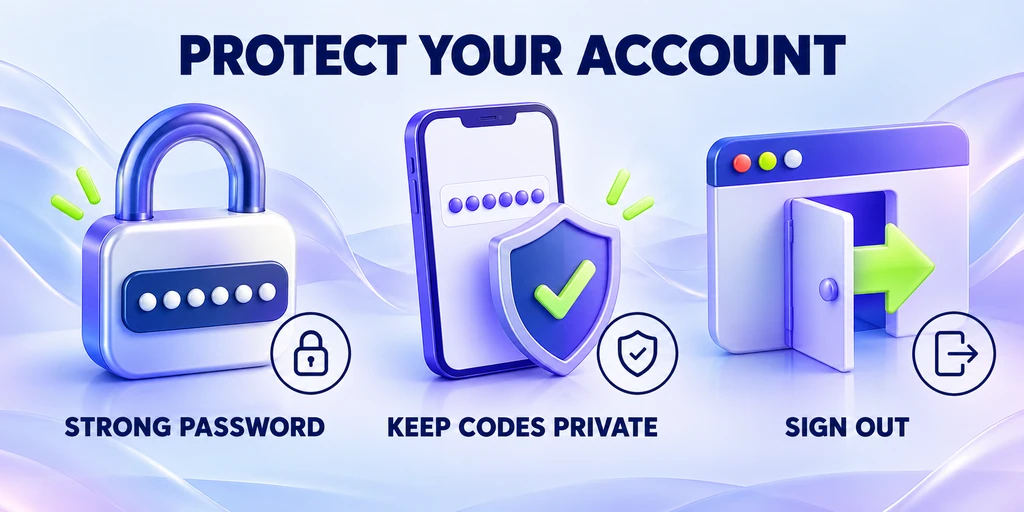
- Name the issue and requested outcome in the opening sentences.
- Add relevant dates and non-secret reference numbers in chronological order.
- Explain what remains unresolved after the checks you have already completed.
A chronological account makes it easier to distinguish an original action from a later attempt to resolve it. Begin with the first relevant event and add only the steps that changed the situation. Label what is confirmed, what you observed and what you still need explained. This prevents a remembered interpretation from becoming mixed with the actual messages or records.
An example worth distinguishing is one in which a person describes the latest response before explaining the transaction it concerns. The appropriate check is to reorder the account around the original event and the dated steps that followed. Preserve the event dates, references and question attached to each response and identify which part is known and which part still needs an answer. Avoid extending the conclusion beyond that evidence: it does not demonstrate a reliable sequence from an undated collection of messages alone. Keeping the issue narrow makes any explanation easier to assess and prevents unrelated account, payment or personal decisions from becoming mixed into the same question.
What Makes A Screenshot Useful Evidence?
A screenshot should show the relevant message or transaction state clearly enough to support your question. Include the part of the page that explains the problem, but remove passwords, live reset links, complete payment credentials and unrelated personal records. A cropped image with a short description is usually easier to understand than several full-screen captures with no explanation.
Keep the original image privately if you need a record, and avoid editing the visible facts in a way that could mislead the recipient. If a screenshot contains a date or reference that matters, explain what it represents. When the issue can be described accurately in text, you may not need an image at all. Ask which evidence is required before sending a large collection of account documents.
- Capture the specific error or status that supports your question.
- Remove secrets and unrelated details before sharing the image.
- Label the screenshot with its relevant time and purpose.
A screenshot should support a specific observation. Its value depends on whether the relevant wording, time context or status can be understood, not on how much of the account it exposes. Explain what the image shows and what it does not show. A still image may record one screen while leaving the preceding action and later recorded outcome unresolved.
A reader might encounter a case where a screenshot shows a status but not which request or time it concerns. In practical terms, connect the image to the relevant reference and explain the limited observation it supports. Make a simple record of the screenshot context, affected request and non-secret status wording and use that record to describe the uncertainty accurately. The intention is to understand the situation, not to justify additional spending or disclosure. Do not take it to mean proof of every preceding or later account event from a single still image. When the necessary information is unavailable, acknowledging that gap is preferable to proceeding on the basis of an attractive assumption.
How Can You Keep Several Transactions From Becoming Confused?
When several deposits or withdrawals are involved, identify each one separately. Give the date, amount, method and reference for the transaction you want checked. If two entries appear to be duplicates, say which two entries you mean and whether either has changed status. Do not assume that a support team will know which payment you mean from an amount alone.
Keep one chronological list rather than starting several conversations with different versions of events. If you receive a response about the wrong transaction, point out the mismatch clearly and repeat the correct reference. Avoid sending full bank statements simply because several entries are involved. A focused list can often establish what needs investigation before any additional evidence is requested through a secure route.
- Use one separate record for each deposit or withdrawal attempt.
- State exactly which references appear duplicated or inconsistent.
- Correct a transaction mismatch clearly before continuing the conversation.
How Should You Follow Up Without Losing The History?
A follow-up should connect to the existing issue and explain what has changed. Use the case reference where one was supplied and quote only the relevant part of the earlier response. If a payment arrives or an error disappears, say so; otherwise the recipient may continue investigating an earlier state that is no longer current.
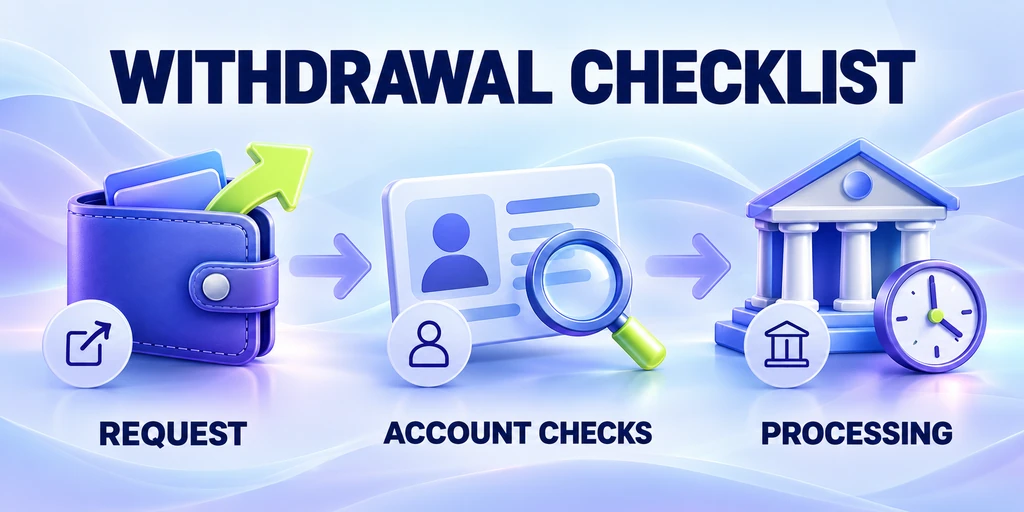
Repeatedly opening new conversations can split the history and make it harder to identify a consistent answer. Keep your own dated record of requests and responses. Ask about the documented next step if the issue remains unresolved, rather than assuming that sending the same message many times will change its status. Do not invent a deadline or claim a guaranteed response time that the service has not actually stated.
- Connect each follow-up to the original case or transaction reference.
- Explain new facts instead of repeating an unchanged message.
- Keep the dates and substance of replies in one private record.
A follow-up should add what changed since the previous exchange and identify what remains unanswered. Starting an entirely new story each time can make a continuing issue appear unrelated. Retain the original reference and distinguish a clarification from a new complaint. A concise update can preserve the history without resending unnecessary attachments or exposing private information that was not needed in the first place.
As an illustration, a response answers one question but leaves a second part of the issue unresolved. A useful way forward is to state which part is settled and identify the remaining question using the same reference. Keep the original case reference, resolved point and outstanding question in a form that can be understood later without exposing account secrets. Then distinguish the practical question from any broader expectation about a service or outcome. Nothing in this example establishes a completely new issue merely because the earlier response was only partly helpful. This allows the eventual answer to be assessed against the original issue rather than against a changing set of assumptions.
What Should A Clear Complaint Describe?
A complaint should identify the specific event, the explanation you received and the point you disagree with or still need answered. Describe the practical outcome you are seeking, such as a status explanation, correction of an account detail or investigation of a particular entry. A focused complaint is easier to assess than a general statement that everything about an account is wrong.
Include the relevant terms or messages where they directly support the issue, while keeping private details protected. Ask for the complaints process that applies to the service concerned. A website content question and a dispute about a gambling transaction may need different destinations. Keep that distinction clear so that an article-feedback route is not mistaken for access to a separate account or payment system.
- Identify the disputed event and the exact unresolved factual question.
- State the outcome you seek without adding unrelated demands.
- Use the complaints route appropriate to the service involved.
How Can You Ask For Help Without Sharing Account Secrets?
Most initial support questions can be described without providing a password or a live verification code. Use the account identifier and non-secret references requested by the genuine service. A person offering help does not need the password to your email account to understand a missed reset message. Be cautious if a conversation shifts from describing the issue to demanding unrelated access.
If identity evidence is required, ask for the confirmed secure submission method and the specific documents needed. Do not move the conversation to an unfamiliar messaging account simply because someone claims the usual route is too slow. Keep control of your device and check any file or application you are asked to install. Clear boundaries protect private details while still allowing a genuine issue to be explained.
- Never send passwords or live authorisation codes in ordinary support messages.
- Use only the confirmed secure route for requested identity evidence.
- Stop if a support conversation asks for unrelated account or device access.
How Can You Make A Technical Fault Reproducible?
A reproducible fault is one that can be described as a short sequence of actions with a clear result. State the page, browser or device, the action taken and the visible response. Explain whether the fault happens every time or only under a particular condition. That is more useful than saying the whole website is broken when only one control is affected.
Keep tests modest and avoid repeating financial or account actions merely to demonstrate a problem. If a payment or withdrawal screen failed, ask about the existing action before attempting it again. A screen recording should exclude sign-in details and private messages. When the fault changes after an update or a new connection, note that change so the report reflects the latest behaviour.
- Describe the shortest sequence that produces the visible fault.
- Include device and browser details relevant to that sequence.
- Avoid creating duplicate transactions while trying to demonstrate a technical issue.
How Can You Tell A Content Correction From An Account Request?
A content correction concerns something written or displayed on a page, such as a broken navigation link, an unclear sentence or an outdated general explanation. An account request concerns a particular person's access, documents, balance or transactions. These issues can involve different systems and teams, so identify which kind of help you need before sending private details.
For a page correction, include the page address, the heading and the wording that needs attention. You normally do not need to send identity documents or a transaction history to point out a spelling mistake. For an account issue, use the service's confirmed account-help route and include only the relevant identifiers. Keeping the request specific makes it easier to reach an appropriate answer without oversharing.
- Use a page URL and heading when reporting a content problem.
- Keep identity records out of ordinary wording or layout feedback.
- Use the relevant account-help route for balances, access and transaction questions.
What Should You Include When A Case Is Partly Resolved?
A case can be partly resolved when one transaction arrives but another question remains. State the resolved point first, then identify the specific remaining issue and its reference. This prevents a later response from treating every part of the original message as still outstanding.
Keep the requested next step proportionate to the unresolved question. For example, ask for an explanation of a remaining amount difference rather than requesting a second payment that may duplicate the first. Update your own records when a status changes, and retain only the evidence still needed for the open issue.
Frequently Asked Questions About Wildies Casino Contact
1. How Can I Contact Wildies Casino?
Use the contact details displayed on the genuine Wildies website. Verify the channel before sharing account information.
2. Is Live Chat Available?
Support methods and opening hours must be confirmed on the current contact page.
3. What Should I Include In My Message?
Describe the issue, the date it occurred and any relevant reference number. Do not include passwords or full card details.
4. How Do I Ask About A Withdrawal?
Provide the transaction reference, date and amount, then ask for the current status and any outstanding requirements.
5. What If I Suspect A Fake Support Account?
Stop communicating, do not share information and use a contact route confirmed through the genuine website.
Wildies Casino Contact Us: Keep Communication Secure
At Wildies Casino, use verified contact details and share only the information needed to resolve your question. Keep records of important messages and protect your passwords, payment details and identity documents. If you feel unsafe or believe your account has been compromised, prioritise your personal and financial security.