
 TOP GAMES

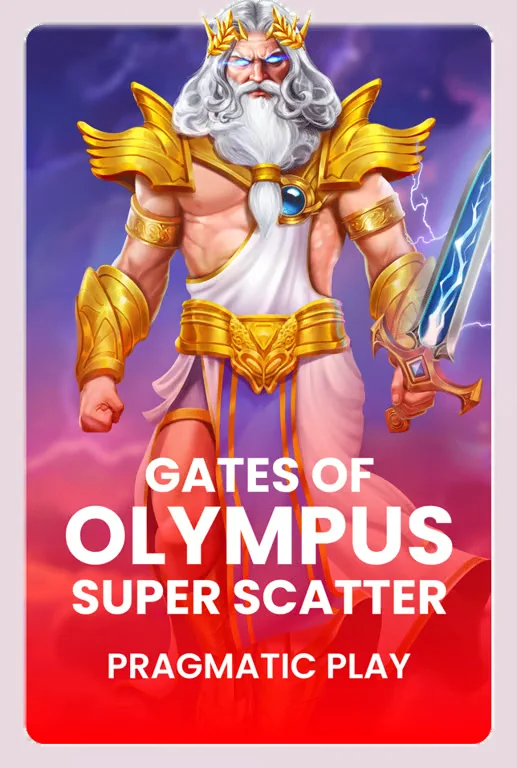



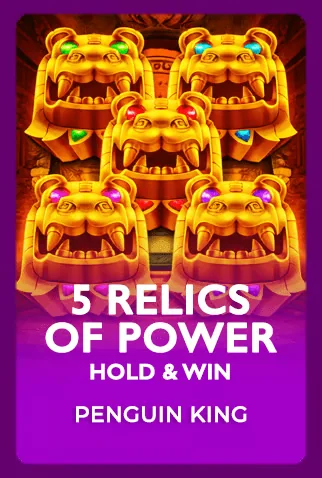
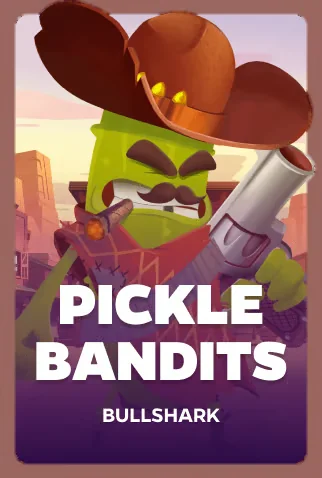





At Wildies Casino, we want visitors to understand how different casino games work before deciding whether to play. Online casino games vary in format, pace, rules and risk. Slots are generally based on randomised outcomes, while table games such as blackjack and roulette follow established rules and may involve player decisions. Live dealer formats use video technology to present selected table games with a human dealer.
The games and features actually available can change. This page explains common categories and terminology without promising that a particular title, game studio, feature or table is currently available. Always check the live game lobby and the rules shown within an individual game before taking part.
Which Slot Games Can You Find?
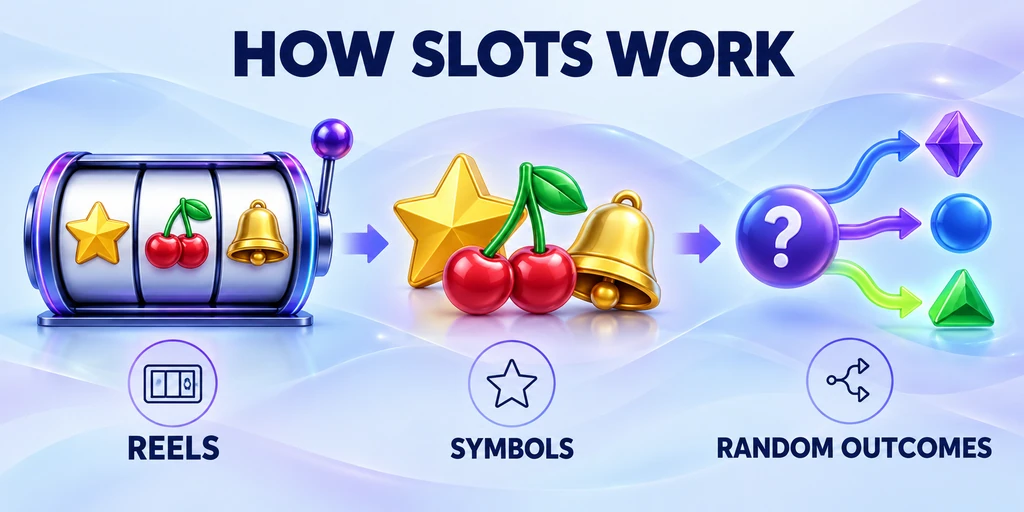
Online slots use reels or other visual formats to display symbols and determine outcomes. Some games use traditional paylines, while others use ways-to-win systems, cluster pays or feature-based mechanics. Themes can range from mythology and adventure to fruit symbols and familiar arcade styles. A slot may include wild symbols, scatters, free spins, multipliers, expanding reels or bonus rounds. These features are defined by each game's rules and do not guarantee a win.
Use a gallery to recognise artwork and full game names, not as proof of current availability or rules at another destination. Similar titles may refer to different versions with different controls. Identify the exact version when asking about a feature. The pictures displayed here do not establish a playable session, an account balance or an approved destination for a particular real-money game.
For example, two illustrated titles share characters but have different edition names. The useful next step is to find the exact title and version before comparing their rules or stake controls. Keep the full names, version labels and specific feature being discussed so that the sequence can be explained without relying on memory. This establishes what happened in that particular situation; it does not establish identical conditions for titles that happen to share artwork or familiar characters. A clear answer to the original question is more useful than taking another action simply to see whether the screen changes.
How Do Online Slots Work?
A slot outcome is generally determined by a random number generator. Previous outcomes do not make a particular symbol or combination due to appear. Betting systems and patterns cannot remove the random nature of the game. Before playing, check the minimum and maximum stake, winning patterns and special conditions. Choose a stake that fits a fixed entertainment budget. Do not increase it to recover losses.
Symbols, sounds and animations communicate a result through a particular interface. Understanding the interface means identifying what was committed before an action and how the completed outcome was settled. Visual intensity is not a reliable measure of financial value. Read the final recorded amount and the exact feature explanation rather than relying on how dramatic, long or memorable the animation appeared.
A practical case is one where a lengthy animation seems more valuable than the settled result shown afterwards. In that situation, compare the completed result with the feature's settlement explanation rather than its presentation. The most helpful record would contain the title, feature name, total stake and final displayed result Keep the observed facts separate from any explanation that has not yet been confirmed. In particular, do not assume a promised prize value based on sound, visual effects or animation length. Once the distinction is clear, it becomes easier to ask a focused question and decide whether any further action is necessary.
What Is RTP?
Return to player, usually shortened to RTP, is a theoretical percentage describing how much a game is designed to return across a very large number of plays. An RTP figure is not a promise about an individual session. A game with a stated RTP of 96% does not mean that a player will receive £96 back from every £100 wagered. Short-term results can vary substantially.
A theoretical return percentage is not a protected share of a personal deposit. It does not create a refund timetable or make losses due to reverse after a certain amount of activity. Make sure that a quoted figure concerns the exact version being discussed. An older screenshot or a related title can describe different assumptions without explaining the game currently in front of you.
Consider a situation in which a person finds different percentages associated with related game descriptions. It helps to identify the exact configuration attached to each figure before drawing a comparison. Retain the version labels, source descriptions and dates attached to the figures rather than trying to reconstruct every detail afterwards. The purpose of that record is to make the particular issue understandable, without turning an unanswered question into a confident conclusion. It would be a mistake to infer a guaranteed personal return from selecting the largest percentage found elsewhere. If the essential point remains unresolved, pause instead of adding another uncertain step to the same sequence.
What Does Slot Volatility Mean?
Volatility describes the general pattern of a game's potential wins. Lower-volatility games are often designed to produce smaller outcomes more frequently, while higher-volatility games may have less frequent outcomes with a wider range of possible values. These are broad descriptions, not predictions. A high-volatility game can use a balance quickly without producing a significant win.
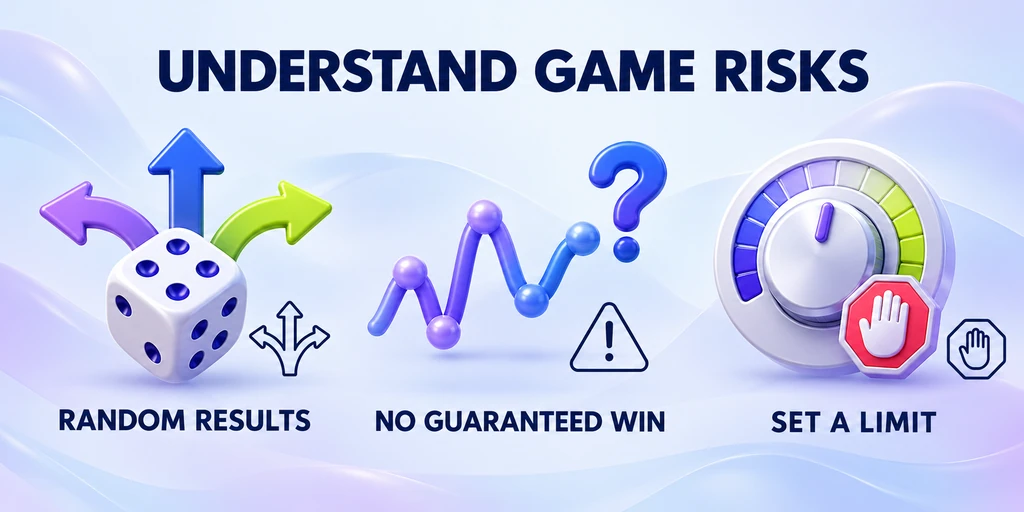
A description of payout patterns does not promise how a short session will unfold. Less frequent larger outcomes are not events that become owed after a run of losses, and more frequent smaller outcomes do not guarantee a stable balance. Read volatility as terminology about uncertainty. It is not a method for choosing a game that removes financial risk or supplies a dependable recovery plan.
To put this into context, a losing sequence makes a person think that a larger result must now be approaching. Before deciding what to do next, separate the volatility description from any expectation about the next individual outcome. A brief note covering the published explanation and the spending boundary chosen before the session can keep the relevant details together. That note should describe the issue rather than contain passwords, live codes or unnecessary personal documents. It should not be treated as evidence of a result becoming due because earlier outcomes were disappointing or repetitive. The explanation should remain tied to the action and circumstances actually being discussed.
Which Table Games Are Common Online?
Table-game categories describe broad families of rules. Individual versions can differ in permitted decisions, stake handling and settlement. A general introduction helps identify the subject, but it does not establish every detail of a particular table. Locate the exact rules before relying on a comparison, especially when a displayed payout or an additional action could change the total money committed.
One everyday example is that two versions of a familiar table game describe a winning result differently. A careful response would be to read each settlement convention and identify whether figures include the original stake. Useful evidence includes the table names, stake amounts and wording used for the example payouts This approach separates an observation from a possible cause and avoids making the situation harder to explain through repeated attempts. There is no basis here for assuming a better practical outcome from comparing figures expressed using different conventions. Clarify the unresolved point first, and keep the decision about any later action separate from the task of understanding the existing record.
Blackjack
Blackjack is a card game in which the aim is to achieve a hand total closer to 21 than the dealer without exceeding 21. Players may be offered choices such as hit, stand, double down or split, depending on the table rules. Versions can use different numbers of decks and payout rules.
Roulette
Roulette uses a spinning wheel and a ball. Players select numbers or groups of numbers before the ball settles into a pocket. European, French and American roulette have different wheel layouts and house-edge characteristics. Check which version is being played.
Baccarat
Baccarat is a comparing-card game involving Player and Banker hands, with a Tie option in many versions. The aim is to predict which hand will finish closest to nine. Rules and commission arrangements can vary.
Poker Variations
Casino poker formats can include video poker and other house-banked variations. These do not necessarily work like a traditional poker game played against other people. Check the rules, paytable and hand rankings for the exact format.
What Are Live Dealer Games?
Live dealer games use streamed video to show a real person managing a table. Common formats include blackjack, roulette and baccarat. The interface may display the dealer, table layout, betting controls and a timer. A live stream can require a stable internet connection and may use more data than a standard slot game. Live presentation does not remove the house edge or financial risk.
A video feed, an action control and an account record are different parts of a live presentation. A picture freezing does not establish whether an action was accepted or how a result was recorded. Keep timing and references together when describing a problem. The conversational atmosphere of a live table does not reduce the financial significance of a stake or make its outcome predictable.
For a concrete illustration, the video becomes unstable just after an action is selected. Start by taking time to check the recorded game and account status before repeating an uncertain action. Write down the table identifier, approximate time and status visible in the history using non-secret information wherever possible. The detail matters because similar-looking screens can describe different events or stages. This example does not confirm a failed or successful wager from the behaviour of the video alone. Its purpose is to show how a specific question can be narrowed down, leaving less room for guesswork or an unnecessary repetition of the original action.
How Should You Choose A Game?
Read the rules and paytable. Check the minimum stake, maximum stake, RTP information where provided, volatility description and bonus feature conditions. Consider whether the pace and complexity suit you. Set a spending limit before starting and treat it as the maximum amount you are prepared to lose. Do not borrow money, use essential funds or chase losses.

Why Should You Read The Rules Of The Exact Game Version?
Games with similar names or artwork can use different rules, prize structures and features. A familiar theme does not establish that the stake options, bonus round or paytable match a version you used elsewhere. Open the help panel for the exact game and check how its symbols, payouts and special features work. A cover image in a gallery cannot provide all of those details.
Focus on the information that affects the decision to play: the total stake, the conditions for a win, the treatment of interrupted rounds and any optional feature purchase. If a term is unclear, stop before committing money. Reading rules is not a method for guaranteeing a return; it is a way to understand what the game asks you to pay and how it determines outcomes.
- Check the exact title and version rather than relying on familiar artwork.
- Read the total stake and the conditions attached to special features.
- Resolve unclear rules before committing money to a round or purchase.
How Do Total Stake And Line Stake Differ?
A game interface may show an amount for one line, one unit or the complete round. Those figures are not interchangeable. The total stake may depend on several selections, and changing one setting can alter the amount paid when the round begins. Read the final total on the game screen rather than assuming that the smallest visible figure is the full cost.
Use a simple example to check your understanding without treating it as a recommended stake. If several components contribute to one round, add them together and compare the result with the total displayed. Optional side bets or feature purchases may be separate from the ordinary stake. A clear cost calculation helps avoid accidental spending, but it does not change the randomness or risk of the outcome.
- Identify the full cost of one round before pressing the play control.
- Check whether optional side bets add to the displayed main stake.
- Recheck the total after changing any line, unit or feature setting.
Several displayed amounts may describe different parts of one wager. A unit value, line amount and total commitment are not interchangeable. Recheck the final total after changing a control rather than relying on a remembered setting. A personal spending boundary can only be applied sensibly when the complete amount committed by an action is understood; the smallest visible number may not represent that amount.
An example worth distinguishing is one in which an interface shows a small unit value beside a larger total near the action button. The appropriate check is to read how the controls combine and establish which amount represents the complete commitment. Preserve the changed setting, displayed unit and complete total before the action and identify which part is known and which part still needs an answer. Avoid extending the conclusion beyond that evidence: it does not demonstrate a small overall stake simply because one control displays a small unit amount. Keeping the issue narrow makes any explanation easier to assess and prevents unrelated account, payment or personal decisions from becoming mixed into the same question.
What Is Different About A Payline And A Cluster?
A payline usually describes a defined path across a set of reel positions, while a cluster system groups matching symbols according to its own connection rules. Other games use ways-to-win arrangements or additional mechanics. The important point is the exact definition in the game rules, including how many symbols are needed and where they must appear.
An animation that looks close to a win does not establish that a winning condition was met. Check the required pattern and the recorded result rather than interpreting the visual effect alone. Symbols may disappear, move or trigger another stage without creating the same payout in every game. Learning the display can help you follow a round, but it cannot reveal a future result or make a losing pattern become a winning one.
- Read the pattern definition used by the particular game.
- Check minimum symbol counts and any direction or connection requirement.
- Use the recorded result rather than a near-miss animation to identify a win.
How Should You Read Roulette And Card-Game Payouts?
Table-game rules connect a selection or decision with a particular payout and risk. In roulette, different bets cover different sets of outcomes. In card games, decisions and payouts depend on the stated rules for that table or version. A larger advertised payout does not mean that an outcome is more likely, and a frequent small payout does not remove the cost of losing rounds.
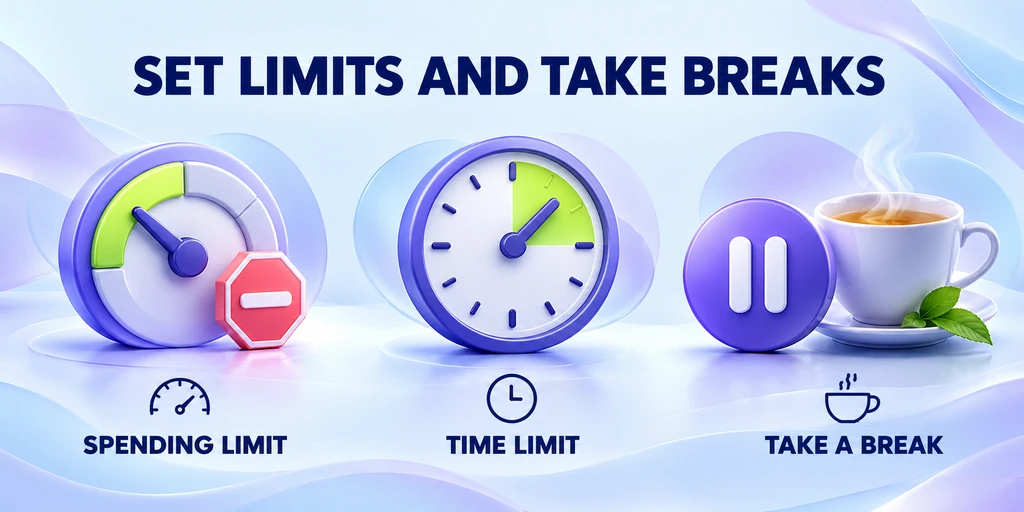
Read the complete settlement rule rather than only the most prominent number. Some displays distinguish profit from the returned stake, and optional side bets can follow a separate paytable. If you cannot explain what a displayed payout includes, pause before placing the bet. Knowing the rule improves understanding of the game, but it does not create a guaranteed profitable strategy.
- Check whether a payout display includes or excludes the returned stake.
- Read side-bet rules separately from the main game conditions.
- Do not compare games using only their largest advertised prize.
What Should You Know About Live-Game Timing?
Live presentation adds a video stream and a timed interface to the underlying game rules. The betting window, confirmation message and recorded wager are more important than whether the video appears perfectly smooth. A slow connection may make the stream seem delayed while account activity is recorded elsewhere. Check that the intended selection and total stake were accepted before assuming that a click placed a wager.
If a stream freezes, do not infer the final result from the last frame shown. Use the game history and the relevant round reference where available. A support message should identify the game, approximate time and the specific issue without including passwords or unrelated private records. An unstable connection is a good reason to stop rather than continue a session you cannot follow clearly.
- Check the accepted wager record rather than relying only on a click.
- Keep the round reference when reporting an interrupted live game.
- Separate a video-display problem from a question about account settlement.
Why Can A Demonstration Differ From Real-Money Play?
A demonstration can help explain controls and rules, but it should not be treated as evidence of what a future paid session will return. The absence of financial consequences changes the experience, and a short sequence of results is not a reliable guide to long-term performance. Check whether the demonstration uses the same version and clearly described settings as the real-money game.
Artwork galleries are different again: a game cover may be only an image, with no playable demonstration attached. On this website, the gallery opens artwork previews rather than a gambling session. Do not enter payment details into an unrelated page merely because a cover resembles a known game. Understanding what the interface actually offers prevents a visual display from being mistaken for a functioning account or game.
- Distinguish a cover image, a demonstration and a real-money game.
- Do not use a short demonstration result as a prediction of future returns.
- Check the game version and the purpose of the page before continuing.
Learning the position of a control is different from predicting outcomes. A short demonstration can show an interface without describing the full range of possible results. One memorable example should not become a forecast for a later session. Distinguish illustrative displays from screens connected to funds before pressing an action button, and remember that understanding a game does not require proceeding to a deposit.
A reader might encounter a case where a demonstration includes an unusually dramatic sequence that dominates the person's memory. In practical terms, treat the sequence as an example of presentation rather than a prediction of later results. Make a simple record of the demonstration label, feature shown and distinction between illustrative and funded activity and use that record to describe the uncertainty accurately. The intention is to understand the situation, not to justify additional spending or disclosure. Do not take it to mean a similar financial outcome in a later session because one demonstration looked successful. When the necessary information is unavailable, acknowledging that gap is preferable to proceeding on the basis of an attractive assumption.
How Can You Recognise Misleading Game Expectations?
Claims that a game is due to pay, that a recent loss creates a debt to the player, or that a pattern can guarantee the next outcome should be treated cautiously. A convincing story about a sequence does not establish control over a random game. The result of one session also cannot show how every future session will behave.
Separate an explanation of rules from a promise of profit. A strategy may describe how to make a permitted decision in a particular game, but that does not eliminate financial risk or guarantee a winning session. If a message asks you to buy secret predictions, pay an unlocking fee or increase stakes to recover losses, step back. The reasonable decision may be to avoid the game entirely.
- Reject promises that claim a guaranteed outcome from a random sequence.
- Separate legitimate rule explanations from paid secret-system claims.
- Stop when the aim has shifted from entertainment to recovering earlier losses.
What Belongs In A Personal Game-Session Record?
A session record can focus on the information that helps you understand spending and time: the start and finish, money added, money removed and the final balance. It should not become an exercise in searching for a winning pattern. Record losses honestly and include activity across different games rather than counting only the sessions you remember favourably.
If you are reporting an individual game issue, keep the relevant round reference and describe the discrepancy separately from the broader spending record. Avoid collecting unnecessary screenshots that expose personal details. If your record shows that sessions are getting longer or spending is rising beyond your intended boundary, consider a break or stronger account controls rather than using the record to plan larger bets.
- Track time and actual money movements rather than only memorable wins.
- Keep a disputed round's reference separate from general session notes.
- Use concerning spending patterns as a reason to stop and seek support.
A useful personal record describes time, money and the boundary decided beforehand. It should not become a prediction system or a story about outcomes that felt deserved. A balance returning near its starting point can still conceal a longer session than intended. Recording the actual duration and spending makes those differences visible without requiring another session to test an interpretation.
As an illustration, a session ends near its starting balance but lasts much longer than planned. A useful way forward is to compare actual time and spending with the original plan rather than the final balance alone. Keep the planned stopping point, actual finish time and total money committed in a form that can be understood later without exposing account secrets. Then distinguish the practical question from any broader expectation about a service or outcome. Nothing in this example establishes a harmless session solely because the ending balance happened to look familiar. This allows the eventual answer to be assessed against the original issue rather than against a changing set of assumptions.
Frequently Asked Questions About Wildies Casino Games
1. Which Types Of Games Are Common Online?
Common categories include slots, blackjack, roulette, baccarat, poker variations and live dealer games. Actual availability varies.
2. Are Slot Results Predictable?
No. Slot outcomes are generally determined by random number generation.
3. What Does RTP Mean?
RTP is a theoretical long-term return percentage. It does not guarantee an individual result.
4. Is Higher Volatility Better?
Not necessarily. Higher volatility can mean less frequent but more variable outcomes.
5. Are Live Dealer Games Different?
They use streamed video and a human dealer, but the rules and financial risks remain important.
Wildies Casino Games: Play With Clear Limits
At Wildies Casino, understanding the rules is an essential part of making a considered decision. Every game carries risk, and no category offers guaranteed returns. Check the individual rules, keep within a budget and stop if gambling begins to affect your wellbeing. 18+ only.