
Welcome to Wildies Casino. We are building a UK-focused website that brings casino-related subjects together in a clear, organised and accessible format. Our aim is to help adult visitors understand common online casino topics, including games, account access, registration, payments, withdrawals, promotional terms and responsible gambling.
We believe that people should be able to understand the basic terms and risks before making decisions about online gambling. Casino terminology can be unfamiliar, and details such as wagering requirements, game contribution, verification checks and withdrawal conditions can affect how a service works. We aim to explain these subjects in plain British English and keep our pages structured around the questions visitors are likely to have.
What Is The Purpose Of Wildies Casino?

Our purpose is to make casino-related information easier to navigate. We organise our website into dedicated pages so visitors can find explanations about a particular subject without having to search through unrelated material. Our content covers general game rules and concepts as well as practical account and payment considerations.
We do not suggest that gambling is a way to earn money, solve financial problems or guarantee a return. Gambling involves risk, and individual outcomes can differ from theoretical figures or examples. Our pages encourage visitors to understand the rules, set personal limits and avoid gambling with money needed for everyday commitments.
The purpose of a general guide is to make a subject easier to understand before a separate personal decision is made. Explaining account terminology does not mean that this website holds an account or can change its balance. Keep education, destination identification and participation separate. A useful explanation should leave room for a reader to decide that no further action is appropriate for their circumstances.
For example, a reader learns what a transaction label means but still has an account-specific question. The useful next step is to identify the service responsible for the actual record before requesting an account change. Keep the explanation consulted, actual service and particular question left unanswered so that the sequence can be explained without relying on memory. This establishes what happened in that particular situation; it does not establish account administration being available through a website that explains general processes. A clear answer to the original question is more useful than taking another action simply to see whether the screen changes.
What Can You Find On Our Website?
Our website is organised around key subjects that commonly arise when people explore online casino services. The Games section introduces formats such as slots, blackjack, roulette, baccarat and live dealer games. The Bonus section explains common promotional structures, wagering requirements, eligibility rules and expiry conditions.
Our account-related pages cover registration, login security and mobile access. Payment and Withdrawal pages explain common transaction stages, payment checks and reasons a request may be delayed. We also provide pages covering responsible gambling, website terms and important notices about the scope and limitations of our content.
The pages are organised around different practical questions rather than a requirement to follow a single journey. Reading about games does not require moving on to registration, and checking a payment concept does not require considering a promotion. Use the subject that answers your current question. Related pages can clarify terminology without turning separate financial, security and account decisions into one combined task.
A practical case is one where a visitor looking for a security explanation is distracted by an unrelated offer. In that situation, return to the original security question before considering a separate spending decision. The most helpful record would contain the subject being researched, relevant page and unresolved term Keep the observed facts separate from any explanation that has not yet been confirmed. In particular, do not assume a need to participate in a promotion to benefit from the general explanation. Once the distinction is clear, it becomes easier to ask a focused question and decide whether any further action is necessary.
How Do We Approach Our Content?
We aim to use straightforward language and clear headings. Where a topic involves a calculation, such as a wagering requirement, we explain the method and use a simple example. Where a subject depends on the rules of a particular service, we make clear that visitors should check the current terms that apply to that service.
We avoid presenting general explanations as confirmation that a particular game, payment method, promotion or account feature is available. Features and conditions can change. Visitors should always check the current information shown by the relevant service before taking action.
Content should distinguish a definition from an example and an example from a verified service condition. Those distinctions matter when a page discusses money, eligibility or personal information. A simple illustration can clarify a calculation without describing a currently available offer. When a fact about a real service has not been established, a cautious explanation should identify the uncertainty rather than supplying a confident-sounding assumption.
Consider a situation in which a mathematical example is mistaken for a currently available promotional arrangement. It helps to separate the example's purpose from the current conditions of any real account or offer. Retain the illustrative wording, calculation assumptions and actual condition still needing confirmation rather than trying to reconstruct every detail afterwards. The purpose of that record is to make the particular issue understandable, without turning an unanswered question into a confident conclusion. It would be a mistake to infer a present entitlement or available feature from an example used to explain a concept. If the essential point remains unresolved, pause instead of adding another uncertain step to the same sequence.

Why Does Transparency Matter To Us?
Clear information helps people recognise both the benefits and limitations of a service. A bonus may have wagering requirements. A withdrawal may require verification. A game may have a house edge, and its theoretical return percentage does not predict an individual result. These details matter and should not be hidden behind promotional wording.
We also recognise that gambling can cause harm. Not everyone should gamble, and stopping is the right decision when gambling affects finances, relationships, work or wellbeing. Our responsible gambling content explains practical limits and where support may be available.
Transparency includes making limitations understandable. A page can describe a common process while leaving a specific account outcome unconfirmed. Readers should be able to identify what the explanation answers and what it cannot establish. The same principle applies to destination links and brand wording: neither should be used as a substitute for identifying the business responsible for the service a person intends to use.
To put this into context, a familiar name appears on several screens with different functions. Before deciding what to do next, identify which screen supplies information and which service handles the action being considered. A brief note covering the page addresses, stated business identities and functions shown can keep the relevant details together. That note should describe the issue rather than contain passwords, live codes or unnecessary personal documents. It should not be treated as evidence of identical responsibilities across screens merely because they share familiar visual branding. The explanation should remain tied to the action and circumstances actually being discussed.
Who Is Our Website Intended For?
Our content is written for an adult audience in the United Kingdom. Gambling-related material is not intended for anyone under 18. Visitors must consider the laws that apply where they live and must not use any gambling service where doing so would be unlawful.
A UK-focused website address and British English content identify the intended audience, but do not confirm the features or availability of a particular account service. Read the relevant account conditions, identify the genuine destination and consider whether participation is appropriate before registering, depositing or playing.
UK-focused language and examples help explain the intended audience, but do not establish individual eligibility for a particular service. A person should not infer permission to participate from the language of an article or the currency used in an example. Personal circumstances, current destination conditions and the option not to gamble remain separate considerations. General reading does not create a requirement to register or transfer money.
One everyday example is that a visitor assumes that a UK-focused guide confirms their eligibility for every linked service. A careful response would be to distinguish the audience of the article from the conditions governing the actual destination. Useful evidence includes the destination identity and eligibility explanation actually published by that service This approach separates an observation from a possible cause and avoids making the situation harder to explain through repeated attempts. There is no basis here for assuming universal access or eligibility from British English wording or a familiar currency symbol. Clarify the unresolved point first, and keep the decision about any later action separate from the task of understanding the existing record.
How Can You Contact Wildies Casino?
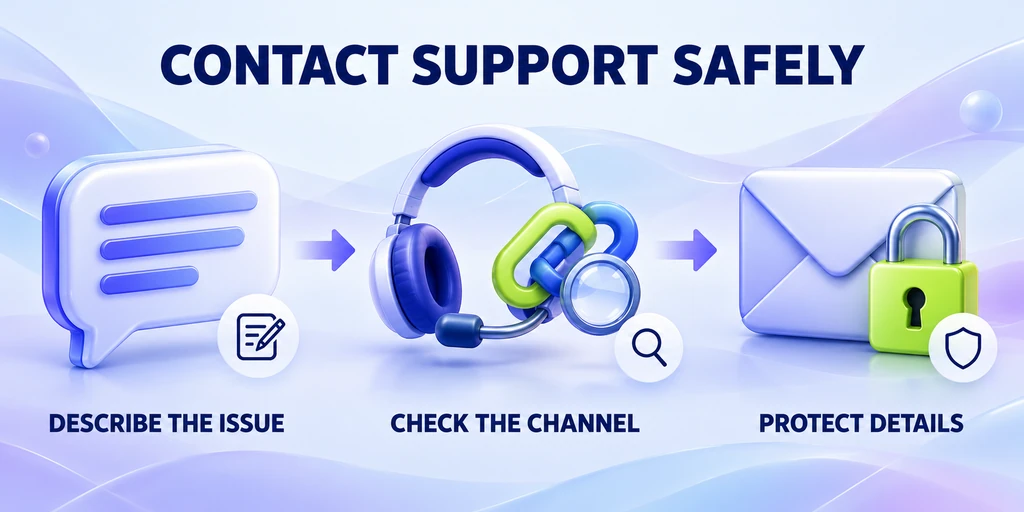
If you have a question about our website or its content, use the contact method displayed on the genuine Wildies website, once that channel has been confirmed and published. Do not send passwords, one-time security codes or full payment card details in a message. We do not publish unverified contact information.
A useful contact route should make it clear who can answer the question being raised. A correction to an article differs from a request involving a customer account held elsewhere. Before sending details, identify the responsible service and verify the communication channel independently. Do not give account secrets to a person merely because they claim to represent a familiar brand or offer to resolve an issue quickly.
For a concrete illustration, a visitor has a question about an account but reaches a page discussing website content. Start by taking time to identify the genuine account service and its verified communication route before sharing private details. Write down the issue type, responsible service and non-secret reference using non-secret information wherever possible. The detail matters because similar-looking screens can describe different events or stages. This example does not confirm a support relationship or account access from the existence of a general contact article. Its purpose is to show how a specific question can be narrowed down, leaving less room for guesswork or an unnecessary repetition of the original action.
How Is The Website Organised Around Practical Questions?
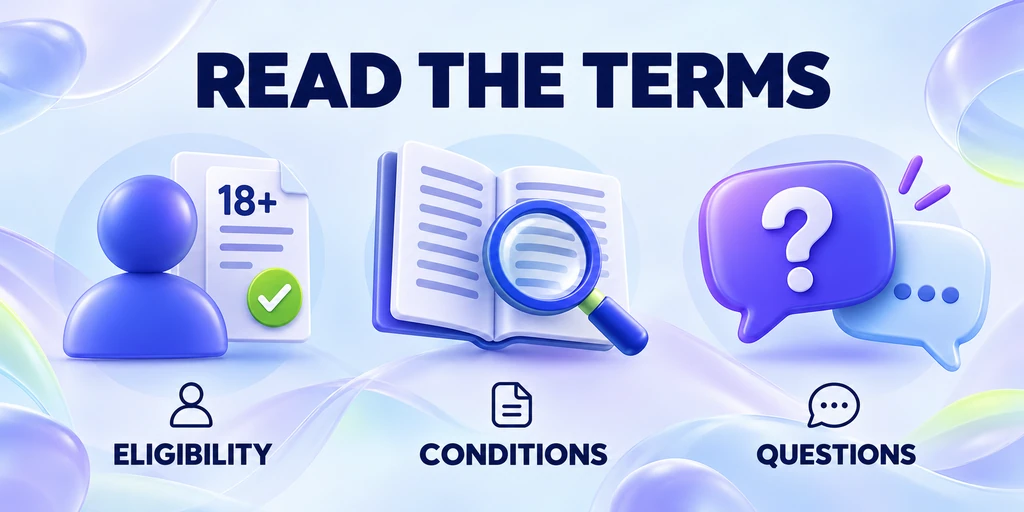
The website separates subjects that are often confused during a single browsing session. Reading about game rules is different from recovering a password, and checking a withdrawal is different from choosing a deposit method. Dedicated pages let a visitor follow one question in more detail instead of relying on a broad statement that tries to cover every account situation at once.
Start with the page that matches the task you are actually trying to understand. The games page explains formats and rule-reading, while account pages focus on access and registration. Payment and withdrawal pages separate money going into an account from money leaving it. Legal and privacy pages address the conditions and handling of personal details that deserve attention alongside those practical topics.
- Choose a page according to the question you need answered.
- Distinguish game explanations from account and transaction procedures.
- Read the relevant conditions alongside any general step-by-step guidance.
What Does A Website Name Or Domain Establish?
A brand name and a domain help identify the page you are viewing, but they do not establish every fact about the service behind it. A familiar colour scheme, UK-focused wording or a casino-themed logo cannot by itself confirm account availability or a particular payment feature. Important business details should be checked against the actual service and current records relevant to it.
The same care applies when a link opens a different destination. Check the address and the terms that apply there before sharing details or making a financial decision. Do not assume that every page with similar branding uses the same account system. Separating the identity of a content page from the identity of a transaction service helps avoid sending a private question to the wrong place.
- Check the complete address instead of relying on a logo or page title.
- Confirm which service will hold any account or payment details.
- Do not infer account features from branding alone.
Why Do We Explain Both A Process And Its Limits?
A useful explanation describes what a step is intended to achieve and what it cannot establish. Confirming an email address shows access to that mailbox, while an identity check serves a different purpose. A payment notification may describe a pending action rather than a completed credit. Distinctions like these help visitors ask more accurate questions when a real account screen is unclear.
Limits matter just as much as the basic steps. A general article cannot determine the status of an individual withdrawal, promise that a document will be accepted or confirm that a particular game is currently offered. For those questions, the relevant live account record and current service instructions matter. Clear explanations should help you identify what to check rather than encourage assumptions that the page cannot support.
- Read what a confirmation proves and what it leaves unanswered.
- Use current account records for individual transaction-status questions.
- Treat examples as explanations rather than promises about a particular service.
How Should You Use The Game Artwork On This Website?
Game artwork can help visitors recognise a title or understand the appearance of a lobby. It is a visual aid, not a substitute for the game's own rules, paytable or current availability. A gallery image does not establish the stake options, feature settings or exact game version that might appear elsewhere. Those details need to be checked in the actual game before any paid activity.
The gallery on these pages opens artwork previews. It does not connect a playable gambling round, accept a wager or determine a result. Keep that purpose in mind when comparing images with descriptions in the articles. If another destination offers a game with similar artwork, establish the destination and read its applicable terms rather than assuming that the image on this website validates every feature shown there.
- Use artwork to recognise a title, not to infer current game settings.
- Read the actual game's rules before considering any paid session.
- Distinguish an image preview from a playable demonstration or gambling round.
Artwork is useful for recognising names, themes and visual identities. It should not be treated as proof of game availability, a particular payout arrangement or a functioning real-money session. The exact rules belong to the relevant version of a game, and the destination must be established separately. A picture can illustrate a subject without confirming all the commercial or technical features a viewer associates with it.
An example worth distinguishing is one in which a pictured title reminds a visitor of a version used elsewhere. The appropriate check is to identify the exact version and genuine destination instead of transferring remembered conditions automatically. Preserve the full title, version label and feature the visitor wants explained and identify which part is known and which part still needs an answer. Avoid extending the conclusion beyond that evidence: it does not demonstrate the same rules or availability from the visual resemblance of two game illustrations. Keeping the issue narrow makes any explanation easier to assess and prevents unrelated account, payment or personal decisions from becoming mixed into the same question.
What Makes An Explanation Useful For A First-Time Reader?
A first-time reader should be able to identify the question, understand the main terms and recognise the next sensible check. That is why the articles use focused headings and separate concepts such as a balance, a payment authorisation and a completed withdrawal. Familiar words can have specific meanings in an account interface, so a brief definition can prevent a larger misunderstanding later.
Examples are useful when they make a calculation or sequence easier to follow. They should not become a claim about what every account will experience. A hypothetical amount, a sample timeline or an illustrated checklist is a teaching device. Compare it with the real account conditions and avoid acting solely because a generic example resembles the situation on your screen.
- Look for the question answered by the heading before reading the detail.
- Separate a definition or example from a service-specific commitment.
- Ask for clarification when an important account term is still unclear.
How Can Visitors Point Out Something That Needs Correction?
Useful feedback identifies a particular page and explains the issue clearly. Include the heading, the relevant sentence or control and what made it confusing. A broken link, a layout fault and an outdated explanation are different problems, so describe the one you encountered. If the issue depends on screen size or browser behaviour, include those details without sending unnecessary personal records.
Feedback about wording does not normally require a password, an identity document or a complete bank statement. Keep account and payment disputes separate from content corrections. Where an explanation involves a rule that has changed, pointing to a reliable current source can help establish what needs checking. Avoid treating an unresolved content question as proof that a separate account action has been completed.
- Identify the page address and the specific wording or control.
- Describe the observed problem without including account secrets.
- Keep content feedback separate from a dispute about a private transaction.
Why Do Accessibility And Clear Presentation Matter?
A page can contain accurate words yet still be difficult to use if the layout is crowded or important labels are hard to read. Clear headings, meaningful image descriptions and consistent navigation help visitors find the relevant part of a long article. On a small screen, ordinary browser zoom and device accessibility settings may make the same content easier to follow.
Images should support the explanation rather than replace essential conditions. A visual checklist can introduce a topic, while the nearby text explains the qualifications and details. Likewise, animation should not be necessary to understand a sentence or operate navigation. If a display issue makes a button or payment-related instruction unclear, stop before acting and seek clarification rather than guessing what the hidden label might say.
- Use headings to find the relevant question in a longer article.
- Read the text explanation as well as the accompanying image.
- Avoid acting on a control whose purpose is obscured by a layout issue.
Clear presentation should help readers find the relevant explanation without hiding essential detail in a small label or a crowded screen. Headings, readable text and accurate image descriptions support that goal. A shortened mobile layout should still lead to the complete conditions where those conditions matter. If a display makes a practical decision unclear, taking time to obtain a clearer view is preferable to guessing.
A reader might encounter a case where a mobile summary is readable but leaves an important condition unclear. In practical terms, open the full explanation and identify whether the shortened wording concerns the same action. Make a simple record of the page address, summary wording and complete condition and use that record to describe the uncertainty accurately. The intention is to understand the situation, not to justify additional spending or disclosure. Do not take it to mean a different underlying rule simply because the mobile display uses fewer words. When the necessary information is unavailable, acknowledging that gap is preferable to proceeding on the basis of an attractive assumption.
What Should You Check When Returning After A Long Break?
A saved page or remembered process may no longer reflect the account screen you now see. Before returning to an old task, check the current destination, the account contact details and any conditions relevant to your decision. This is especially important for a payment method, a promotion or a recovery route that may have changed while you were away.
Do not treat earlier access as an obligation to resume gambling. If the account was closed, restricted or excluded, keep that decision in place and use the appropriate support process for any remaining administrative question. Reading an article or asking about a past transaction can be separate from reopening an account. A careful return begins by identifying the actual task, not by assuming that every earlier feature remains available.
- Check the current address and account details before relying on old notes.
- Read the conditions that apply now rather than a remembered promotion.
- Keep a past restriction or exclusion separate from administrative questions.
A remembered process may no longer match a current account screen. Before returning to an old task, check the genuine destination, your own access methods and the conditions relevant to the decision. Do not assume that a saved promotion, payment route or application listing remains unchanged. The purpose of checking is to establish current information, not to find a reason to resume an activity that no longer suits you.
As an illustration, a saved page describes a process that no longer appears in the current account area. A useful way forward is to locate the current genuine instructions and compare them with the task originally intended. Keep the saved page date, current destination and change in the displayed process in a form that can be understood later without exposing account secrets. Then distinguish the practical question from any broader expectation about a service or outcome. Nothing in this example establishes unchanged availability or conditions from a page that was useful at an earlier time. This allows the eventual answer to be assessed against the original issue rather than against a changing set of assumptions.
Our Commitment
At Wildies Casino, our aim is to keep website information understandable, carefully structured and mindful of the risks associated with gambling. We want visitors to have a clear view of the subjects covered by our pages and to make decisions without pressure. Gambling should remain an adult activity, never a source of income and never a priority over essential spending or personal wellbeing.
18+ | Gamble Responsibly | Never Gamble More Than You Can Afford To Lose.